The First Thing Buyers Notice Isn’t Your Front Door
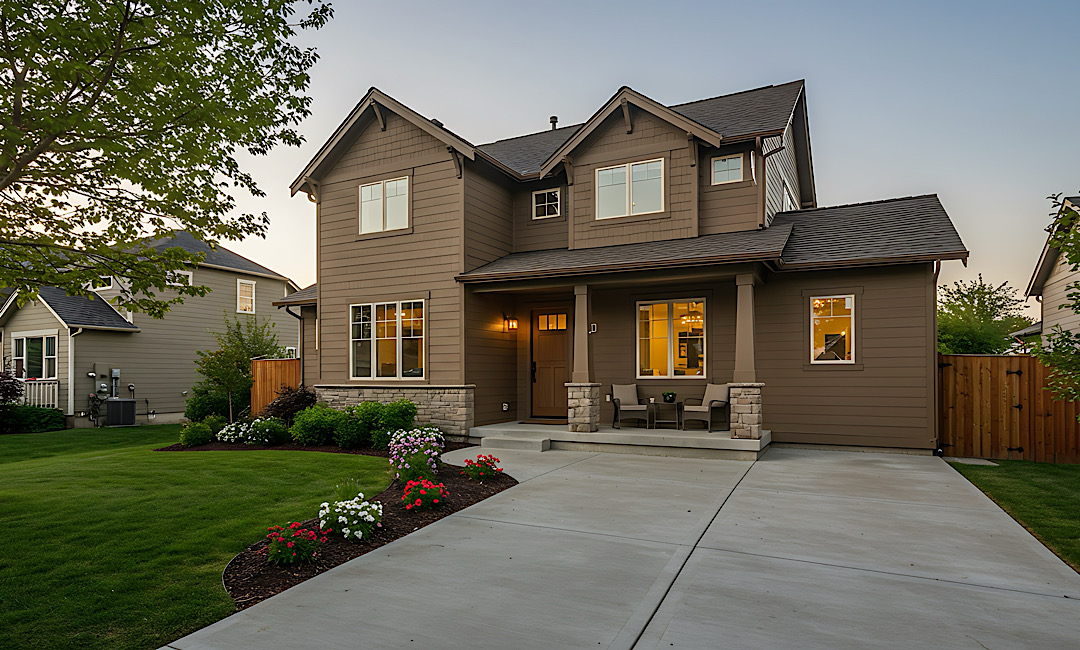
Before a potential buyer ever sets foot on your porch, they’ve already formed an impression — and it starts at the street. That cracked, sunken driveway. The tilted front walkway. The patio slabs that look like a slow-motion earthquake hit them sometime around 2015. These things don’t just look bad; they silently communicate to every buyer, appraiser, and neighbor who drives by: this property hasn’t been cared for.
Here’s the thing most homeowners don’t realize: concrete lifting isn’t just a repair. It’s one of the highest-leverage curb appeal investments you can make before listing your home — or just to stop cringing every time you pull into your own driveway. We’ve seen homes in Eastern Idaho where a single afternoon of polyurethane foam lifting transformed a property that looked tired and neglected into something that genuinely turns heads. The difference isn’t subtle.
What Sunken Concrete Is Actually Costing You Right Now
Let’s talk about money, because that’s ultimately what this comes down to. Sunken or uneven concrete does financial damage in two distinct ways, and most homeowners only think about one of them.
The obvious cost is the repair itself — which, if you wait too long, escalates from a lifting job into a full replacement. A section of driveway that costs $300–$800 to lift with polyurethane foam today can easily turn into a $4,000–$8,000 slab replacement if it continues to crack and deteriorate. The longer you wait, the more expensive the solution. If you’re curious about the specific numbers for our region, our post on how much concrete lifting costs in Eastern Idaho breaks it down clearly.
The less obvious cost? What buyers or appraisers mentally deduct from your home’s value when they see neglected flatwork. Real estate professionals consistently note that exterior condition — including driveways, walkways, and patios — plays a significant role in buyer perception and offer prices. A home with a sunken, cracked driveway triggers a mental checklist of doubt: What else hasn’t been maintained? What am I not seeing? That doubt translates into lower offers, longer days on market, or inspection contingencies that give buyers leverage to negotiate down.
The Curb Appeal Math That Actually Makes Sense
Curb appeal improvements are notoriously unpredictable in terms of ROI. A $15,000 landscaping overhaul might return 50 cents on the dollar. New garage doors are often cited as one of the best returns — but they’re also expensive. Concrete lifting sits in a sweet spot that most homeowners overlook: the cost is relatively low, the visual impact is immediate and dramatic, and it eliminates a red flag that was actively working against you.
Think about it from a buyer’s perspective walking up to two otherwise identical homes. One has a smooth, level driveway and a walkway that doesn’t require careful foot placement to navigate. The other has a section that dips two inches near the garage and a front walk where one slab has heaved up enough to catch your toe. The first home feels like it’s been taken care of. The second feels like it comes with problems. That feeling — completely irrational as it might be — can swing a buyer’s interest and willingness to offer asking price.
Our Idaho Falls, ID Concrete Lifting & Leveling team regularly works with homeowners who are preparing to list, and the feedback we consistently hear from their real estate agents is that the property photographs dramatically better and shows with far more confidence after the flatwork has been addressed.
Where Sunken Concrete Hurts Your Property Most
The Driveway: Your Home’s Handshake
A driveway isn’t just functional — it’s the first extended surface a visitor interacts with. When slabs have sunk unevenly, you get that characteristic thunk every time a car crosses a joint, water pools in low spots (accelerating freeze-thaw damage in Idaho winters), and the whole surface telegraphs age and neglect. Lifting and leveling those slabs restores a smooth, professional appearance that makes everything attached to the house look better by association.
Front Walkways: Where Safety Meets First Impressions
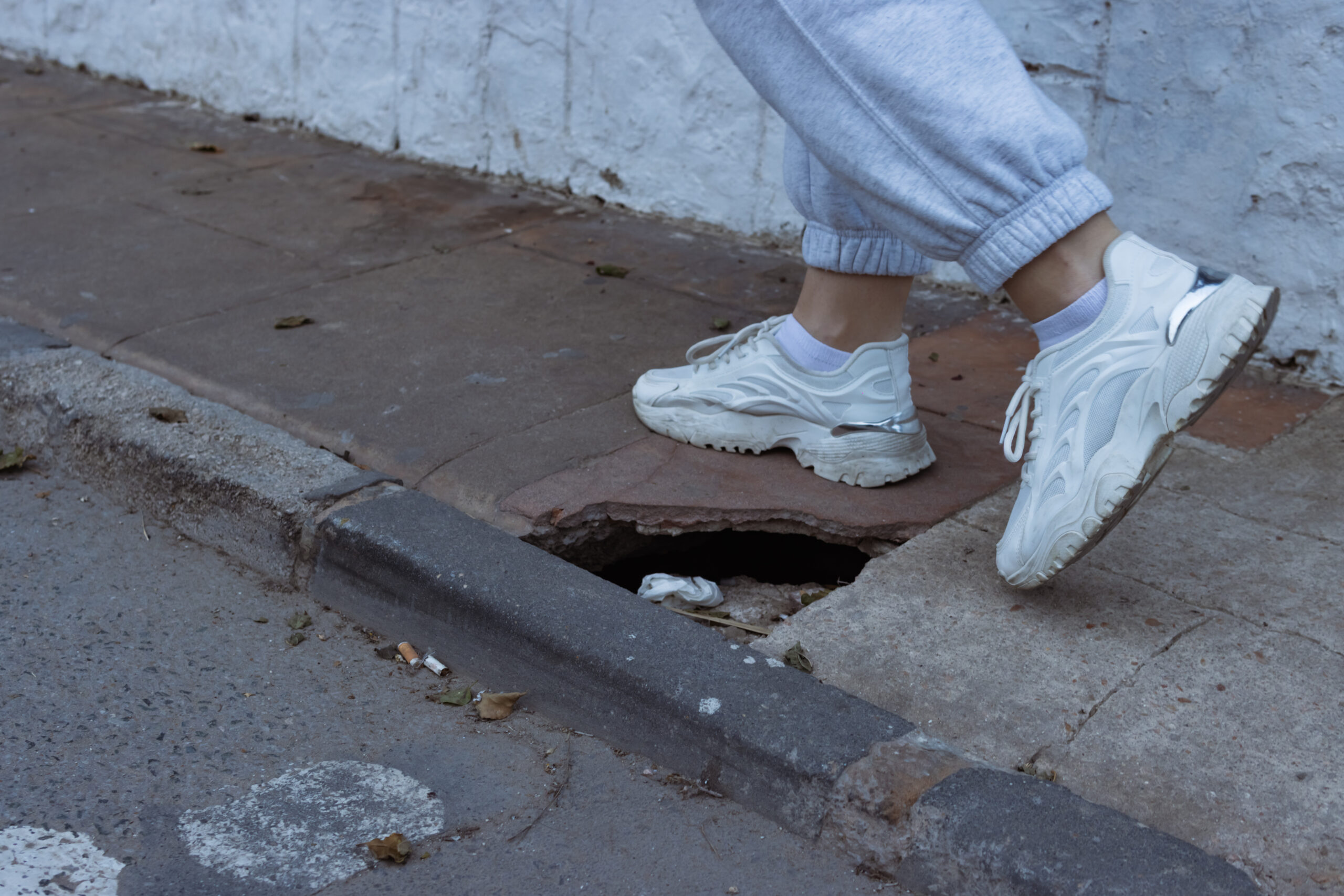
A raised or sunken walkway slab is the definition of a double problem. It’s a trip hazard that creates real liability exposure — something we cover in depth in our post on whether uneven concrete is a safety hazard — and it’s one of the first things a buyer’s home inspector will flag. Inspection flags become negotiating chips. Eliminating them before you list puts you in a stronger position at the table.
Patios and Outdoor Living Spaces
Outdoor living space has become one of the highest-value features buyers look for, especially in the post-2020 housing market where people spend more time at home. A sunken or unlevel patio undermines the entire appeal of that space. Furniture wobbles. Water drains toward the house instead of away from it (a legitimate moisture intrusion concern). The space looks unusable. A level, solid patio that drains correctly suddenly becomes a genuine selling feature rather than a problem to disclose.
Pool Decks and Side Yard Concrete
These often-overlooked areas matter more than sellers expect. A pool deck with uneven sections is both dangerous and visually jarring. Side yard concrete that has settled away from the home can create drainage issues that buyers’ inspectors love to highlight. Addressing these areas as part of a pre-listing concrete restoration makes the property feel complete and well-maintained rather than partially addressed.
Why Lifting Is Almost Always Better Than Replacement Before Selling
When sellers see their sunken concrete for the first time through a buyer’s eyes, the knee-jerk reaction is often: “We should just replace it.” And sometimes, replacement is the right answer — if the concrete is severely cracked, if the structural integrity is compromised, or if it’s simply reached end of life. But for the majority of settled concrete we see in Eastern Idaho, lifting is not only sufficient — it’s strategically smarter before a sale.
- Speed: Polyurethane foam lifting takes hours, not days. Replacement requires demolition, forming, pouring, and a multi-day cure period. If you’re listing in two weeks, lifting is the only realistic option.
- Cost: Lifting typically costs 50–75% less than full replacement, which means more of your pre-sale budget can go toward other improvements with strong ROI.
- Appearance: A freshly poured slab next to older concrete stands out obviously — different color, different texture. Lifted concrete, once settled, looks like it always belonged there.
- Disruption: There’s no heavy equipment tearing up your yard, no concrete trucks, no crews working for multiple days.
If you want to understand exactly how the process works before committing, our detailed explainer on how polyurethane concrete lifting works walks through every step without the technical jargon.
Catching Problems Before They Catch You
There’s a version of this story where a homeowner lists their property, a buyer’s inspector finds three areas of significantly settled concrete, and suddenly there’s a $6,000 credit being requested with three days before closing. We’ve heard that story more times than we’d like to count.
The smarter play is to identify and address concrete issues before they become someone else’s leverage. Understanding the signs your concrete needs lifting — things like gaps under slab edges, pooling water, visible tilting, or grinding noises when you walk across — lets you get ahead of the problem on your own terms and your own timeline.
And it’s worth understanding why concrete sinks in the first place, because that context helps you explain to buyers (and appraisers) that the issue has been properly resolved. Our post on what causes concrete to sink around your home covers the soil, drainage, and frost factors that are particularly relevant in Eastern Idaho’s climate.
What to Do Before Your Listing Photos Are Taken
Real estate photography can work miracles — until it can’t. A skilled photographer can make a small kitchen look spacious and a dated bathroom look charming. But sunken concrete photographs exactly as bad as it looks in person, often worse when the shadows created by a dipping slab catch the wrong afternoon light. Concrete lifting before your listing photos are taken ensures that your home’s exterior looks its absolute best in the images that will determine whether buyers even schedule a showing.
The practical timeline works like this: if you’re planning to list, schedule a concrete assessment 4–6 weeks before your target list date. That gives time for an evaluation, a lifting appointment (which typically runs 2–4 hours for most residential projects), and a few days for the foam to fully cure and the lifted sections to settle into place. You’ll also want time to clean the concrete and reseal any cracks before photography.
“We’ve had clients tell us their real estate agent walked in for the listing appointment, saw the driveway, and immediately said ‘whatever you spent on that was worth it.’ That’s the kind of return you can’t put a precise number on, but you feel it in how the showing goes.”
Beyond the Sale: Living With Better Concrete
Not every homeowner reading this is preparing to sell. Some of you are just tired of watching guests navigate your front walkway like it’s an obstacle course, or wincing every time someone almost trips near the patio. That’s a completely valid reason to invest in concrete lifting, and the benefits don’t require a real estate transaction to justify themselves.
A level driveway eliminates the puddle that freezes every winter near your garage door. A restored patio actually becomes usable outdoor living space again. A smooth front walkway stops being a liability and starts being the dignified entrance your home deserves. You can see examples of exactly this kind of transformation in our Our Work gallery — real Eastern Idaho properties, real results.
Whether you’re getting ready to sell, planning to stay, or just finally addressing something you’ve been putting off for two years, the investment in concrete lifting returns value in ways that compound over time. Better drainage protects your foundation. Eliminated trip hazards reduce liability. And a home that looks well-maintained from the street is a home you’re proud to pull up to every single day.
If you’re ready to stop guessing about what’s going on under your concrete and start making decisions with real information, check out our comprehensive guide on concrete lifting in Idaho Falls: what homeowners need to know, or browse the full Blog for more resources specific to Eastern Idaho conditions and homeowners.