Concrete problems rarely happen overnight. In most cases, the signs start small and gradually become more noticeable over time. What may seem like a minor issue today can quickly turn into a larger and more expensive problem if ignored.
Knowing what to look for can help you take action early and avoid bigger repairs. Here are the most common signs that your concrete may need lifting.
1. Uneven or Sloping Surfaces
One of the clearest signs of a problem is when concrete is no longer level.
You might notice:
- One side of your driveway sitting lower than the other
- A sidewalk that feels uneven when walking across it
- A patio that slopes in a way it did not before
Even small changes in level can indicate that the soil beneath the slab is shifting or settling.
2. Cracks That Continue to Grow
Cracks in concrete are common, but not all cracks are harmless. If you notice cracks getting wider or longer over time, it may be a sign that the slab is moving.
Watch for:
- Cracks that spread across the surface
- Sections of concrete separating from each other
- Uneven edges along the crack line
These issues often point to a lack of support underneath the slab.
3. Water Pooling in Certain Areas
If water starts collecting on your concrete instead of draining away, it is often a sign that the surface has shifted.
Common problem areas include:
- Low spots in driveways
- Sunken sections of patios
- Areas near your home where water should be flowing away
Poor drainage can lead to further soil erosion, which makes the problem worse over time.
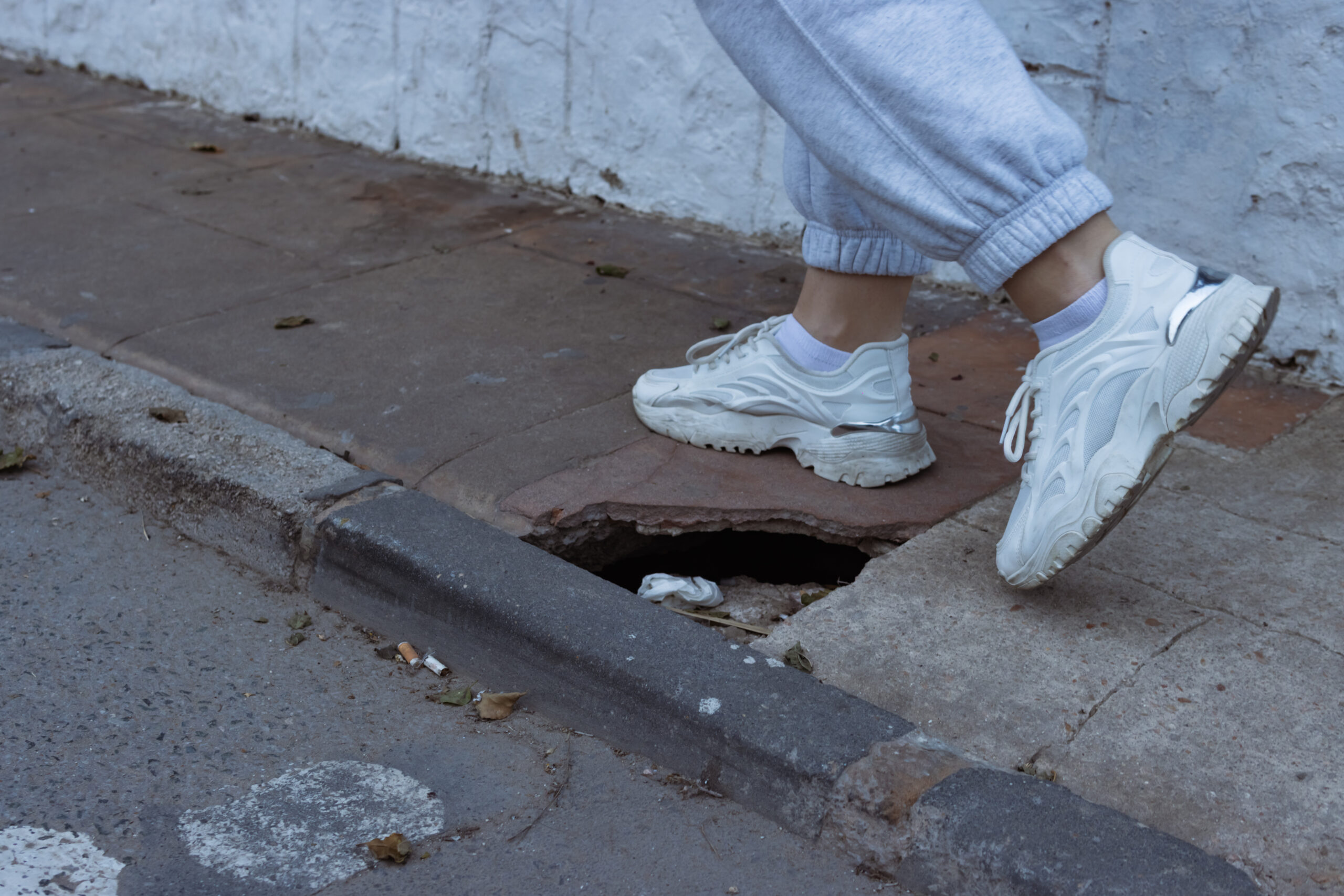
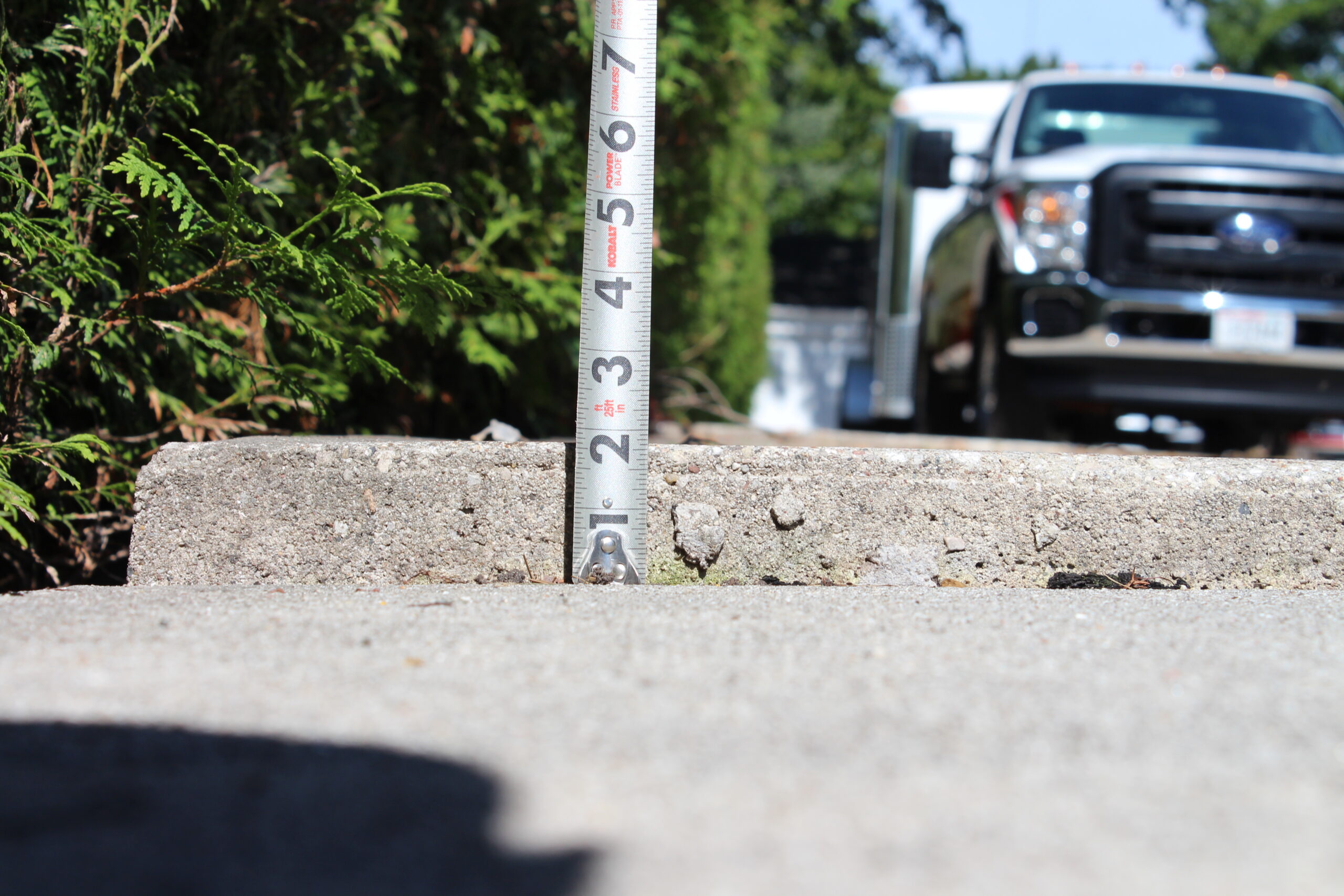
4. Trip Hazards on Walkways
Safety is one of the biggest concerns with uneven concrete. Even a small height difference between slabs can create a tripping hazard.
This is especially important for:
- Front walkways
- Sidewalks around your home
- Entry areas and steps
If someone could easily trip on it, it is time to address the issue.
5. Gaps Forming Beneath the Concrete
In some cases, you may actually see or feel gaps beneath the slab. This can happen when soil has eroded or shifted away.
Signs include:
- Hollow sounds when tapping the concrete
- Visible space along the edges
- Sections that feel less stable under pressure
These gaps mean the slab is no longer fully supported.
6. Concrete Sinking Near Your Foundation
When concrete near your home begins to sink, it can affect how water flows around your property.
This may lead to:
- Water moving toward your foundation instead of away
- Increased moisture around your home
- Potential long term structural concerns
Addressing this early helps protect your property.
7. Sections That Continue to Settle Over Time
If you have noticed the same area getting worse over months or years, it is a strong sign that the underlying issue is not going away on its own.
Concrete that continues to sink will eventually require repair, and waiting usually increases the cost.
Why Acting Early Matters
The longer concrete issues are left unaddressed, the more damage they can cause. Small problems can turn into larger repairs that are more expensive and more disruptive.
Taking action early can:
- Prevent further sinking
- Reduce safety risks
- Protect surrounding areas
- Save money in the long run
The Solution
If your concrete is showing any of these signs, lifting is often the most efficient way to fix it. Instead of replacing the slab, the existing concrete can be raised and stabilized.
This process:
- Restores a level surface
- Fills empty spaces beneath the slab
- Helps prevent future movement
Final Thoughts
Uneven or sinking concrete is more than just a cosmetic issue. It can impact safety, drainage, and the overall condition of your property.
By recognizing the signs early, you can take the right steps to fix the problem before it becomes more serious.