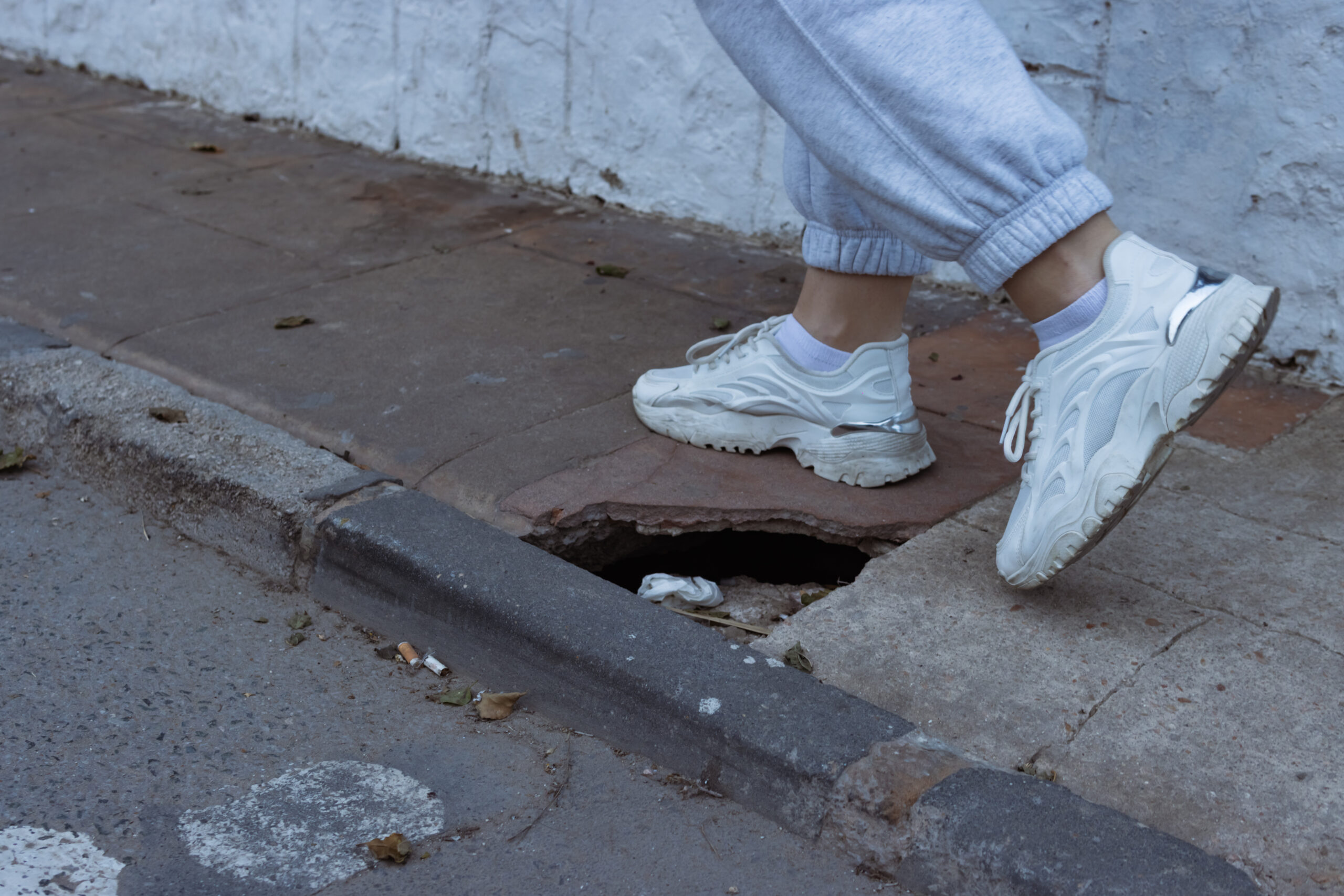
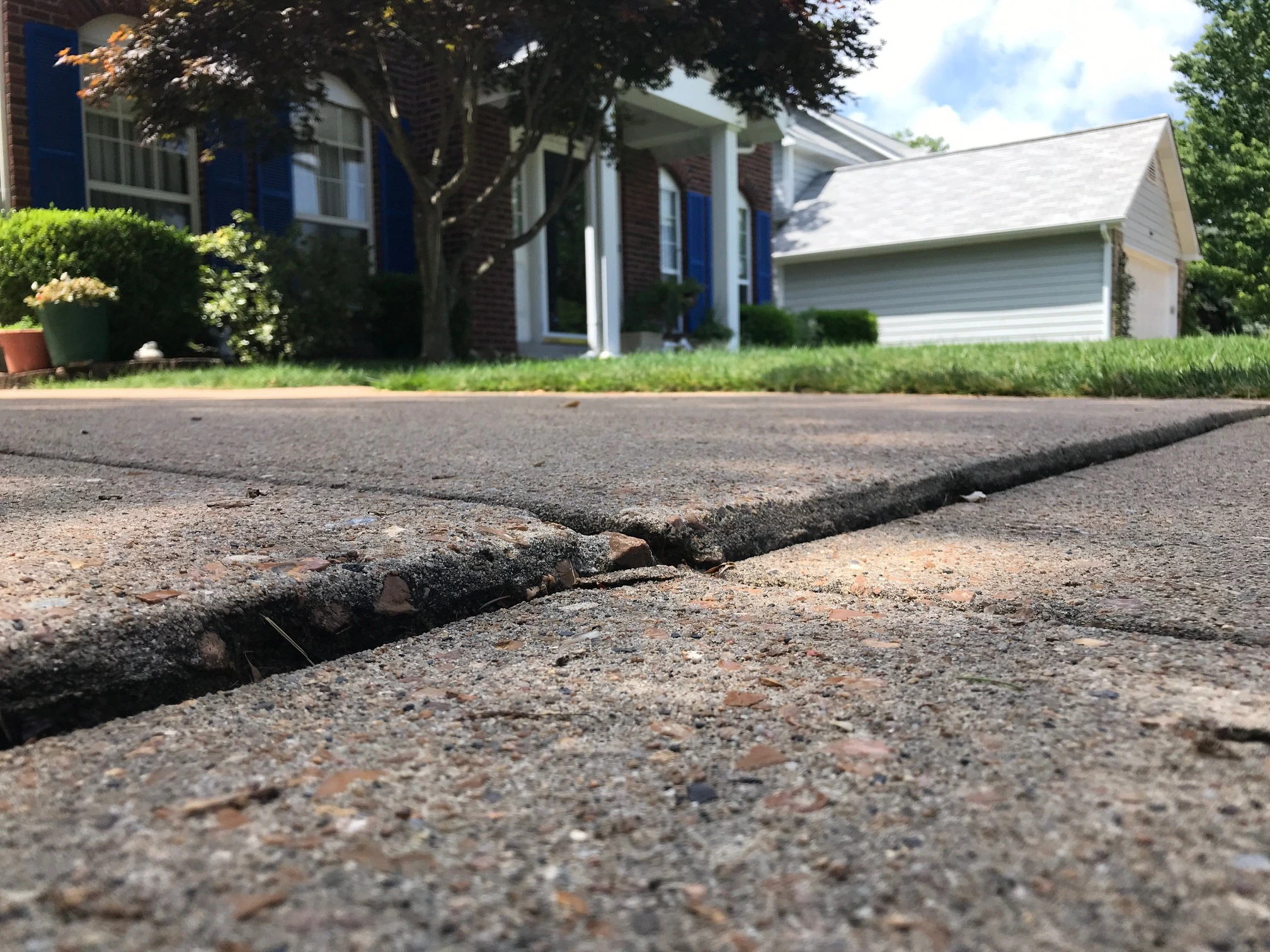
If you have noticed your driveway, sidewalk, patio, or garage floor starting to sink or become uneven, you are not alone. This is one of the most common issues homeowners face, especially in areas like Eastern Idaho where soil conditions and seasonal weather play a major role.
What may begin as a small dip or minor crack can quickly turn into a larger problem. It can create safety hazards, drainage issues, and even lead to damage around your home. The first step to preventing costly repairs is understanding why concrete sinks in the first place.
The Real Reason Concrete Sinks
Concrete is strong, but it depends entirely on the soil beneath it for support. When the ground underneath shifts, settles, or washes away, the slab above it loses stability and begins to sink.
This process usually happens slowly, which is why many homeowners do not notice it right away. By the time it becomes obvious, the issue has often been developing for quite some time.
1. Soil Erosion from Water Runoff
One of the most common causes of sinking concrete is water washing away the soil underneath.
This can happen because of:
- Poor drainage around your home
- Downspouts that release water near concrete areas
- Heavy rain or melting snow
- Improper grading in your yard
As water moves through the soil, it carries particles away and leaves empty spaces behind. Without proper support, the concrete begins to settle into those gaps.
2. Poor Soil Compaction
Before concrete is poured, the soil underneath should be tightly compacted to create a stable base. If this step is not done properly, the soil can settle later and cause the slab above it to drop.
This is common in:
- New construction homes
- Recently installed driveways or patios
- Areas where loose fill dirt was used
As the soil naturally settles over time, the concrete above it can become uneven.
3. Freeze and Thaw Cycles in Eastern Idaho
Cold climates play a major role in concrete movement. In Eastern Idaho, repeated freezing and thawing can weaken the soil beneath your concrete.
Here is how it works:
- Water seeps into the soil below the slab
- Temperatures drop and the water freezes
- Frozen water expands and shifts the soil
- When it thaws, the soil settles unevenly
This repeated cycle creates instability and can leave gaps beneath the concrete, leading to sinking and cracking.
4. Heavy Loads Over Time
Concrete surfaces can handle weight, but repeated pressure in the same areas can compress the soil underneath.
Examples include:
- Vehicles parked in the same spot every day
- Heavy equipment or trailers
- Large items placed on patios or slabs
Over time, this pressure causes uneven compaction, which leads to sections of concrete sinking more than others.
5. Weak or Expansive Soil
Some soil types naturally expand when wet and shrink when dry, while others are loose and lack stability.
These conditions can cause:
- Ongoing movement beneath the slab
- Cracking and shifting
- Uneven settling
This type of issue is often not visible until the concrete begins to show clear signs of damage.
6. Voids Beneath the Concrete
As soil erodes or settles, empty spaces can form beneath the slab. These are known as voids.
When voids develop:
- The slab loses full support
- Weight is no longer evenly distributed
- Sections begin to sink or crack
If left unaddressed, these voids can grow and lead to more serious structural issues.
Why Ignoring the Problem Makes It Worse
Sinking concrete does not fix itself. In most cases, it continues to worsen over time.
What may begin as a small issue can lead to:
- Larger cracks
- Increased tripping hazards
- Water collecting near your home
- Potential foundation concerns
Addressing the issue early is always the better and more affordable option.
The Good News: You Don’t Need Full Replacement
Many homeowners believe that sinking concrete must be removed and replaced. In most cases, that is not necessary.
Modern lifting methods such as polyurethane foam injection can:
- Fill empty spaces beneath the slab
- Raise the concrete back to its original level
- Stabilize the ground to reduce future movement
This process is fast, clean, and often completed in just a few hours.
Final Thoughts
Sinking concrete is a common issue, but it can be fixed without major disruption. Whether the cause is water, soil movement, or seasonal changes, the key is to act early.
If you are seeing uneven concrete around your home, taking care of it now can prevent bigger problems later and help maintain the safety and appearance of your property.