From a ground squirrel’s point of view, the edge of your patio is prime real estate. The concrete keeps the soil underneath dry and protected; it’s hard for predators to dig through, and there’s a lawn right next door. The trouble is that every tunnel under a slab is soil that’s no longer holding it up. At Solid Lifters, we lift and stabilize concrete across Eastern Idaho, and burrowing animals are a cause of sinking concrete that homeowners don’t always think to check.
These field notes cover which animals dig under concrete, the signs they leave, and the right order for fixing it: deal with the animals, then fill what they left behind.
The Usual Suspects
Ground squirrels, pocket gophers and voles are all found in Idaho, and each digs a little differently.
Ground Squirrels
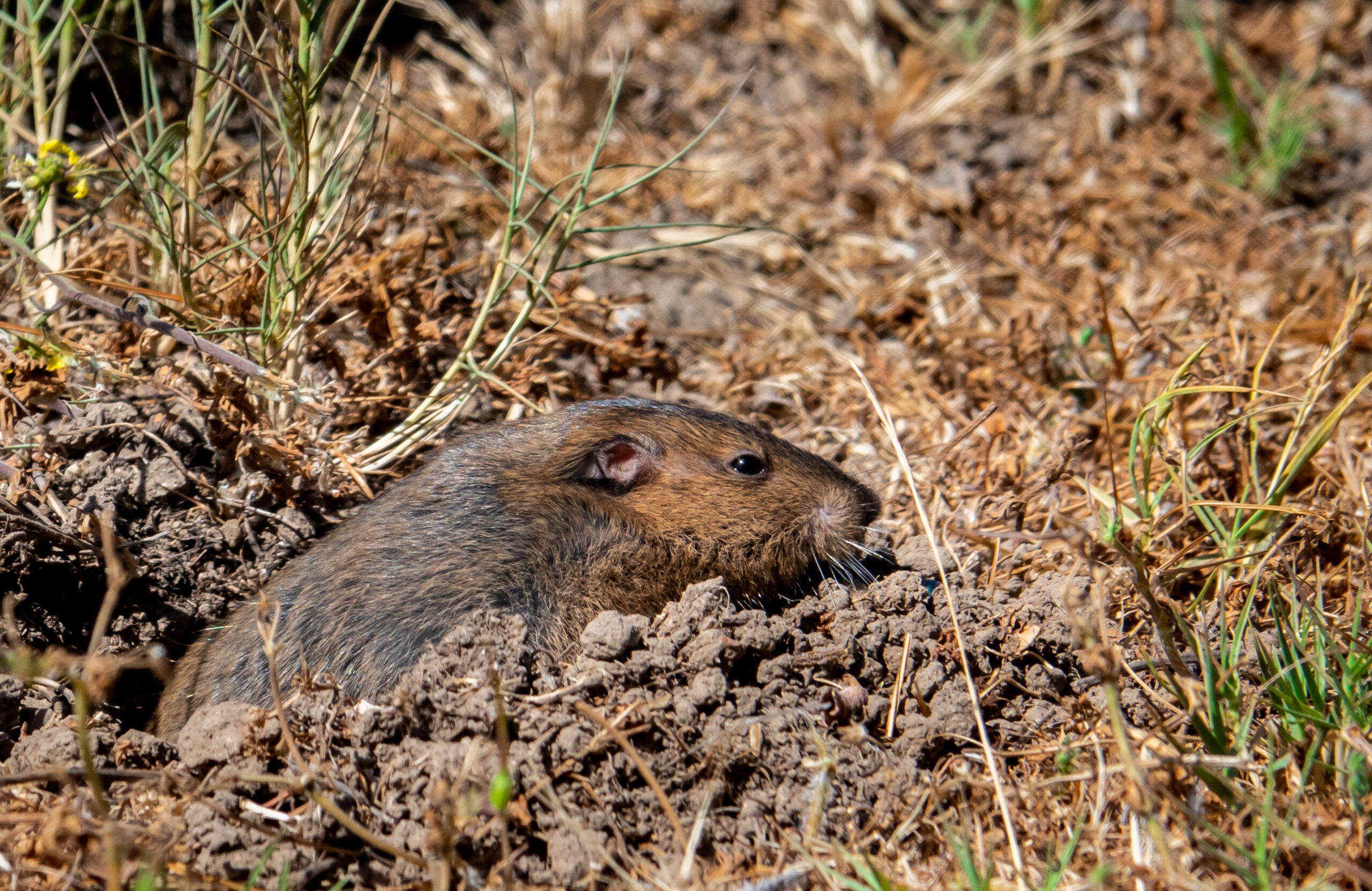
Ground squirrels dig burrows with open entrance holes, often with loose soil scattered around them. They like edges, so the side of a patio, sidewalk or driveway is a natural spot. You’ll often see the squirrels themselves, since they’re active during the day.
Pocket Gophers
Gophers spend nearly all their time underground. The telltale sign is fan- or crescent-shaped mounds of fresh soil, usually with the hole plugged. You may not see an open hole at all, even when the tunnels run right under a slab edge.
Voles
Voles are smaller and tend to make shallow runways through grass, with small holes along them. They’re less likely to cause major settling on their own but can open paths for water to follow along a slab edge.
Signs They’ve Moved Under Your Concrete
- Holes along the slab edge, especially where the concrete meets lawn or a planting bed
- Fresh soil mounds near a patio, walk or driveway
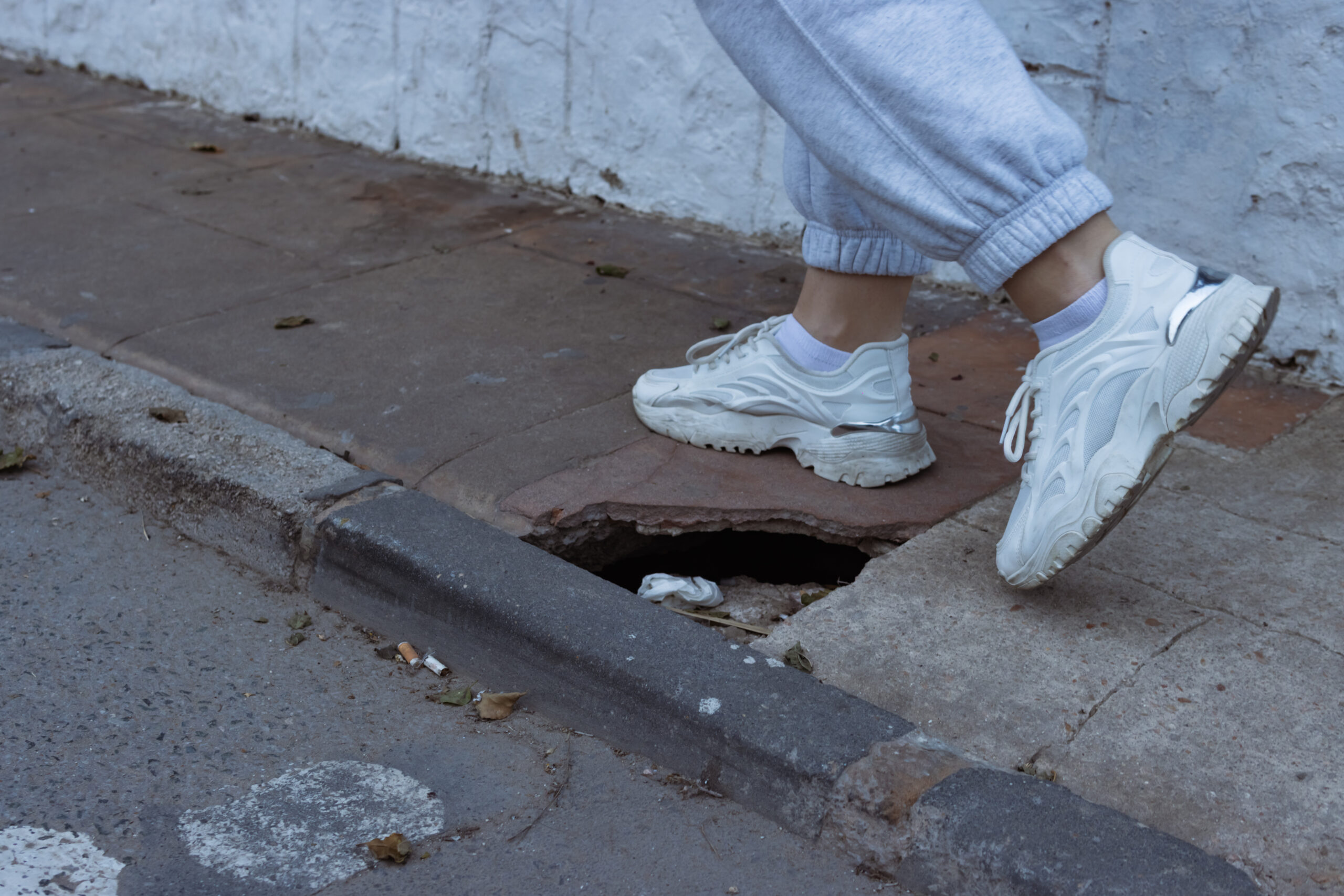
- Soft or sinking corners, where the ground next to the slab gives underfoot
- A hollow sound when you tap the concrete near an edge
- New cracks near an edge or a corner that has started to drop
- Water disappearing into a hole at the slab edge when you run the hose
That last one matters. Once there’s a tunnel under the slab, rain and irrigation water follow it. Water moving through a tunnel carries soil with it and makes the empty space bigger, even after the animal is gone.
Why the Order of Work Matters
Step 1: Deal With the Animals
Filling tunnels while animals are still active doesn’t solve anything. They dig new ones next to the old, sometimes right under the fresh repair. Call a licensed pest control or wildlife professional to handle the animals. They know which methods are legal and appropriate for the species and your property, and they can tell you when the activity has stopped.
Step 2: Confirm the Activity Has Stopped
Watch for fresh mounds, new holes and reopened entrances for a while after treatment. Filling a few holes lightly with soil and checking whether they get dug out again is a simple way to see if anyone’s still home.
Step 3: Fill the Voids and Lift the Slab
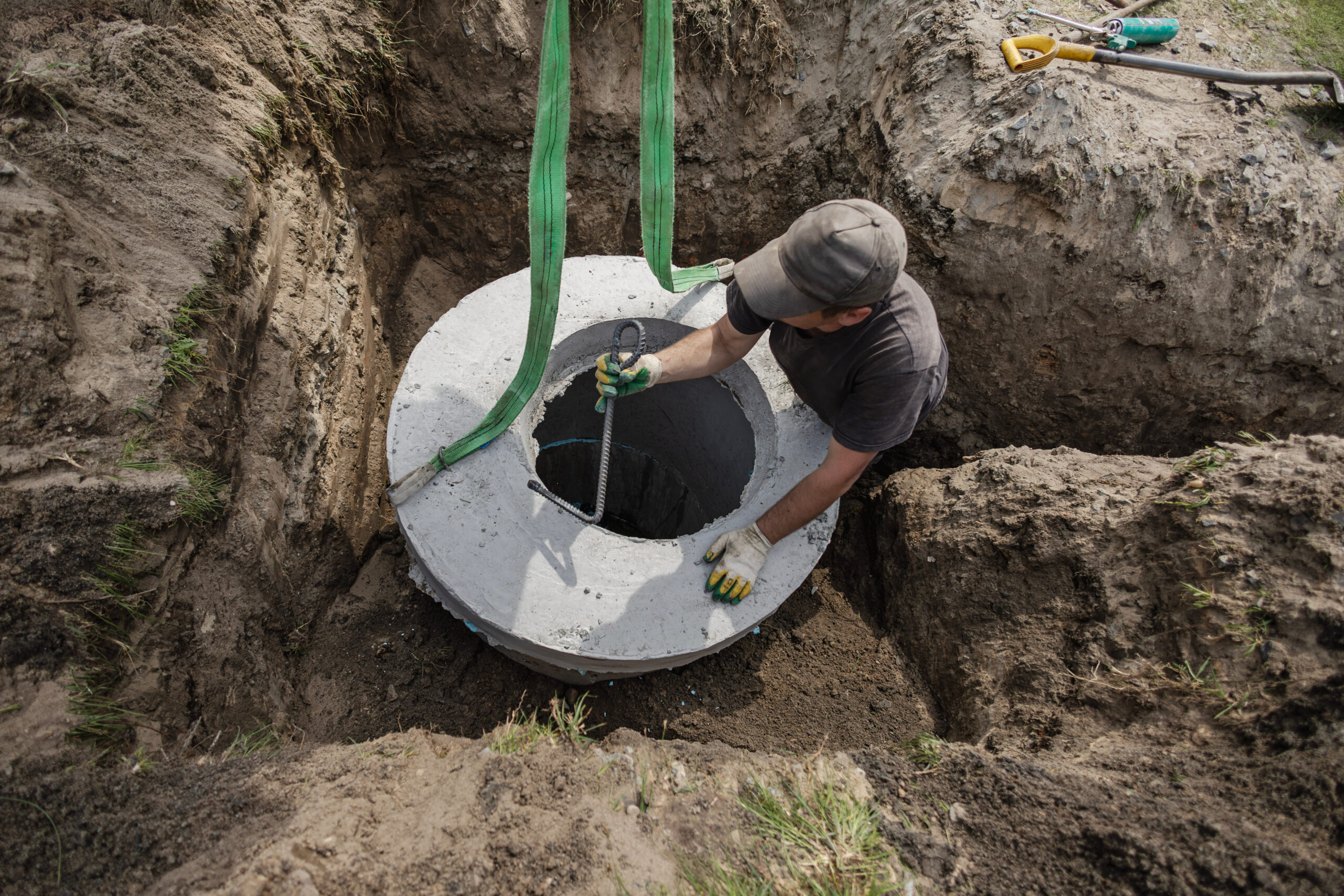
Once the animals are gone, the tunnels and empty spaces they left under the concrete can be filled and any settled sections lifted back into place. Polyurethane foam is injected through small holes, about 5/8 inch across, and expands to fill the open spaces under the slab. What voids are and how filling them works is covered in our article what is void filling and why it matters under concrete.
Step 4: Make the Edges Less Inviting
Ask your pest control professional what they recommend to discourage animals from coming back along your slab edges. Keeping irrigation from soaking the soil next to the concrete also helps, since wet, loose soil is easier to dig and easier to wash away.
What Happens If You Wait
Tunnels under a slab don’t fix themselves. They collapse, fill with water or get bigger. The concrete above loses support, and a corner that was merely soft can crack or break off. In Eastern Idaho, water in those tunnels also freezes and thaws through the winter. Our article on what causes concrete to sink around your home explains how empty space under a slab leads to settling and cracking.
Frequently Asked Questions
Can ground squirrels really make concrete sink?
Yes. Their burrows remove soil from under the slab edge, and water that follows the tunnels washes out more. The concrete above loses support and can settle or crack.
Should I fill the holes with dirt or gravel myself?
Filling the surface hole doesn’t fill the tunnel network underneath. Once the animals are gone, the empty space under the slab needs to be filled from above, through the concrete.
Do you remove the animals?
No. That’s a job for a licensed pest control or wildlife professional. We fill the voids and lift the concrete once the animals have been dealt with.
Fill the Tunnels Once the Tenants Are Gone
If burrowing animals have left your patio, walk or driveway sitting on empty space, the next step is to fill it. Learn about our void filling and slab support services, then contact Solid Lifters for a free inspection and bid.