If your concrete is sinking or becoming uneven, you might assume the only solution is to tear it out and replace it. Fortunately, there is a faster, cleaner, and more cost effective option.
Polyurethane concrete lifting is a modern repair method that allows professionals to raise and stabilize sunken slabs without removing them. It is widely used for residential concrete because it delivers strong, long lasting results with minimal disruption.
What Is Polyurethane Concrete Lifting
Polyurethane concrete lifting is a process that uses a high density expanding foam to lift and support concrete surfaces. This foam is injected beneath the slab where it fills empty spaces, lifts the concrete back into place, and stabilizes the soil below.
Unlike older methods, this approach is lightweight, precise, and quick to cure.
Step by Step Process
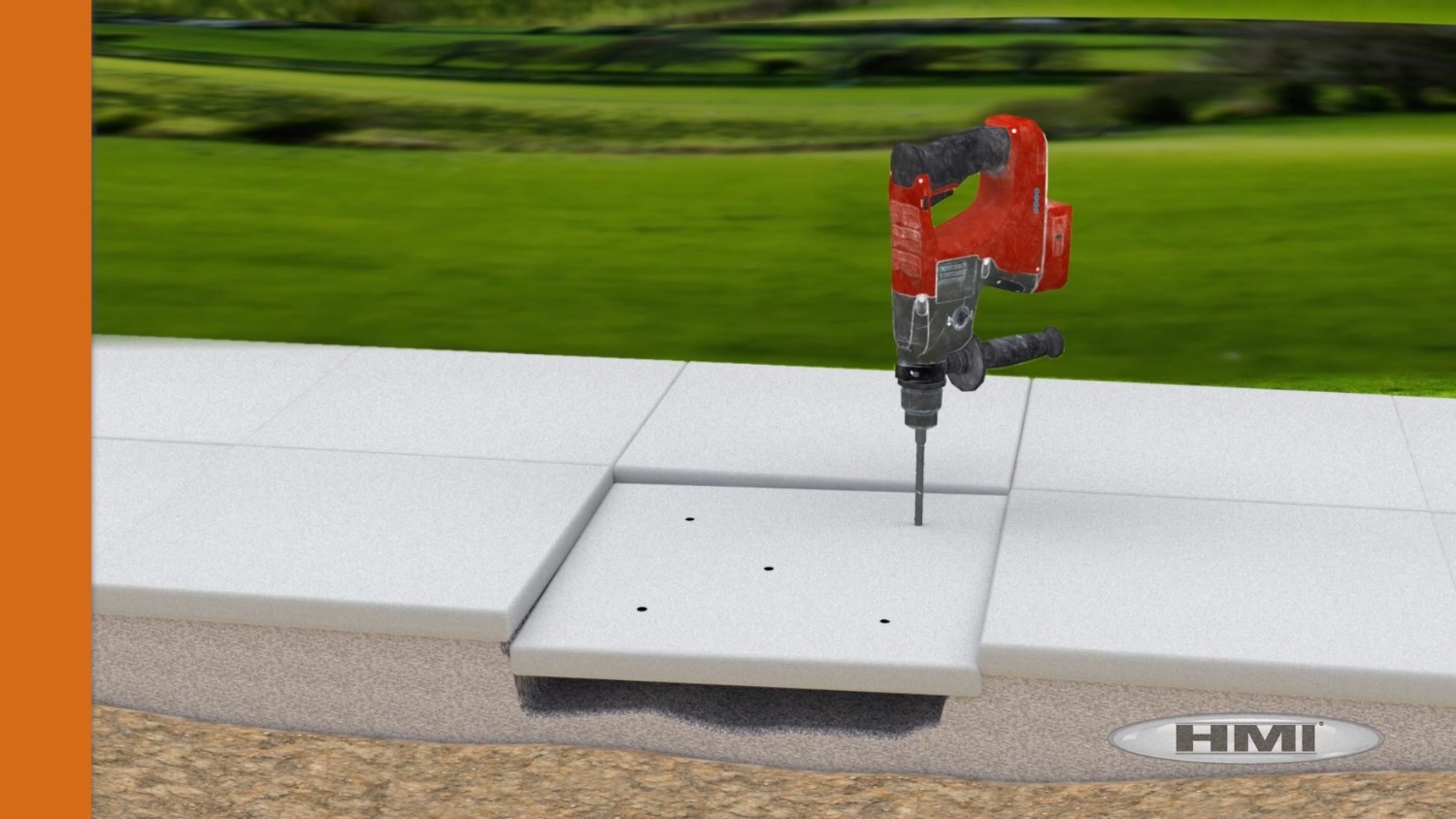
1. Small Injection Holes Are Drilled
Technicians begin by drilling small holes through the concrete surface. These holes are about the size of a coin and are placed in strategic locations to ensure even lifting.
The goal is to access the empty spaces beneath the slab without causing unnecessary damage to the surface.
2. Polyurethane Foam Is Injected
A specialized polyurethane material is injected through the holes and into the voids beneath the concrete.
Once injected, the foam begins to expand. As it expands, it fills gaps in the soil and applies upward pressure to the slab.
3. The Concrete Is Carefully Lifted
As the foam expands, it gradually raises the concrete back toward its original position. Technicians monitor the process closely to ensure the slab is lifted evenly and accurately.
This step allows for precise adjustments, helping restore a smooth and level surface.
4. The Foam Hardens and Stabilizes the Area
Within minutes, the foam hardens and creates a strong, stable base beneath the concrete. This helps prevent future settling by reinforcing the soil structure.
The result is a slab that is both lifted and supported long term.
5. Holes Are Sealed and the Area Is Cleaned
After the lifting process is complete, the small holes are filled and sealed. The work area is cleaned, leaving your concrete looking neat and restored.
Why Homeowners Choose This Method
Fast Cure Time
One of the biggest advantages is how quickly the process is completed. In most cases, the concrete is ready to use within hours.
Minimal Disruption
There is no need for heavy equipment or large scale demolition. The process is clean and does not damage surrounding landscaping or property.
Long Lasting Support
The foam used in polyurethane lifting is designed to resist moisture and maintain its strength over time. This helps reduce the chances of future sinking.
Cost Effective Solution
Compared to full replacement, lifting is significantly more affordable. You get similar results without the higher cost and longer timeline.
Where This Method Works Best
Polyurethane lifting can be used on many types of residential concrete, including:
- Driveways
- Sidewalks
- Patios
- Garage floors
- Steps and walkways
It is a versatile solution that works for most common concrete problems around the home.
Is It Better Than Traditional Methods
Older methods such as mudjacking rely on heavier materials that can add stress to already unstable soil. Polyurethane foam is lightweight and expands to fill gaps more effectively.
This allows for better control, faster results, and longer lasting performance.
Final Thoughts
Polyurethane concrete lifting is one of the most efficient ways to repair sunken concrete. It combines speed, precision, and durability in a process that minimizes disruption to your home.
If your concrete is uneven or sinking, this method offers a reliable solution that restores both safety and appearance without the need for replacement.