If you have lived in Eastern Idaho long enough, you have probably noticed it happening to driveways in your neighborhood. A panel that was perfectly level last spring has dropped an inch or two by fall. A section near the garage that used to sit flush with the next panel now has a lip that catches your foot when you are carrying groceries. A driveway that was installed correctly and looked great for years has started to develop an uneven, rolling surface that gets a little worse every season. This is not a coincidence, and it is not bad luck. It is the predictable result of the specific soil conditions, moisture patterns, and freeze-thaw cycles that Eastern Idaho driveways deal with every single year. At Solid Lifters, we level sunken driveways across Idaho Falls and Eastern Idaho using polyurethane concrete lifting, and we see the same root causes behind driveway settlement over and over again. This guide explains what is actually happening beneath your driveway and what the fix looks like.
Eastern Idaho’s Soil Is Not Doing Your Driveway Any Favors
The ground beneath a concrete driveway is doing a job that most homeowners never think about until it stops doing that job correctly. It is providing uniform, stable support for the weight of the slab and everything on top of it. When that support becomes uneven or disappears entirely in localized areas, the slab responds by settling toward the unsupported zones.
Eastern Idaho’s soil composition is a significant factor in why driveway settlement is so common in this region. The soils across the Idaho Falls area and surrounding Eastern Idaho communities include significant deposits of fine-grained silty and sandy soils that are particularly susceptible to the movement, compaction, and erosion that cause concrete settlement. These soils behave differently under load, moisture, and temperature change from the clay-heavy or rocky soils found in other regions, and that behavior is one of the primary reasons Eastern Idaho driveways settle at the rate they do.
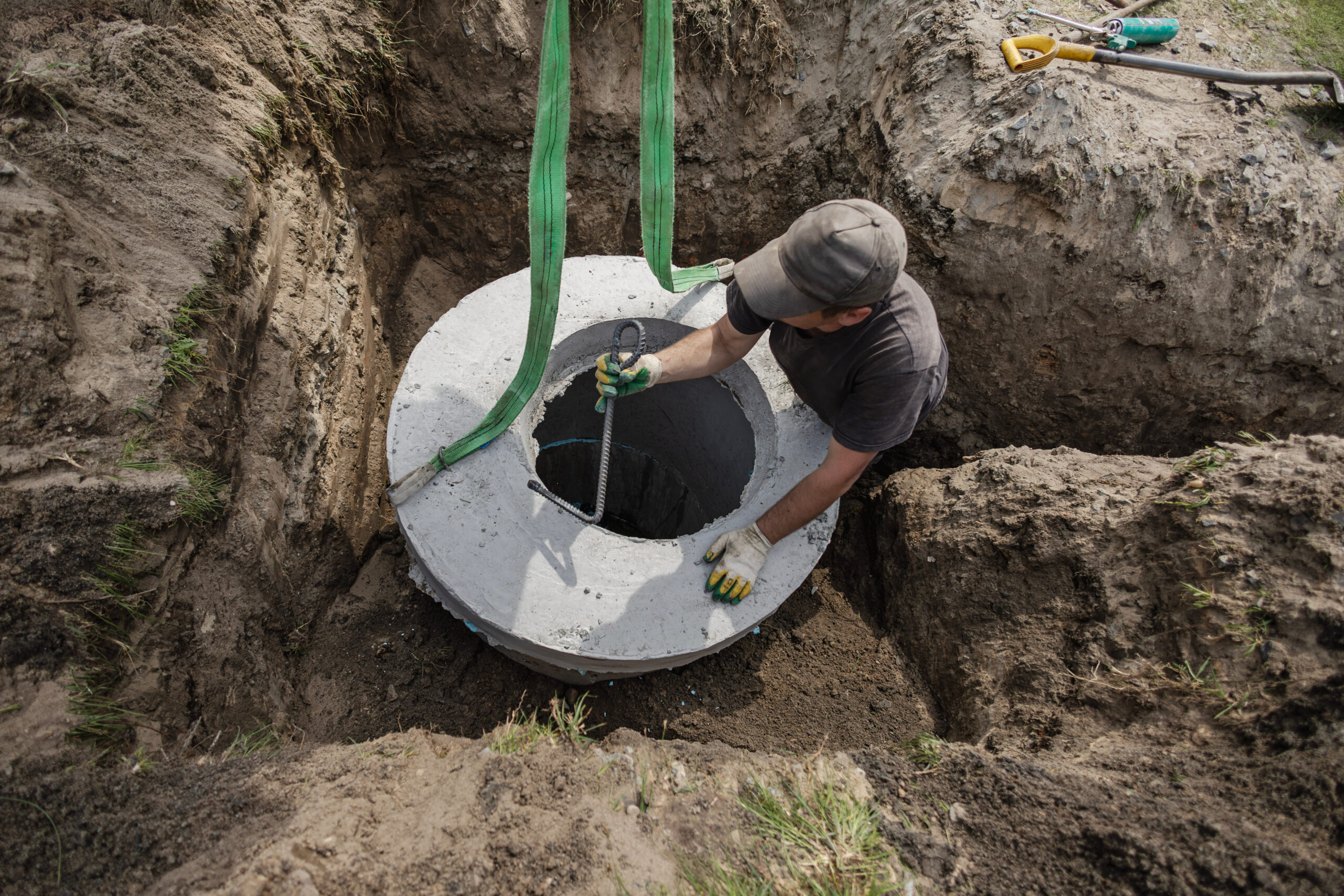
When a driveway is installed, the soil beneath it is typically compacted to provide a stable base. Over time, that compacted base changes. Fine particles migrate downward or wash away with water movement. The soil settles further under the repeated load of vehicles driving over it. Organic material in the soil decomposes and creates localized voids. And the freeze-thaw cycling that Eastern Idaho experiences every winter works on the soil in ways that progressively undermine the uniform support that the driveway slab needs to stay level. What causes concrete to sink around your home goes deeper into the specific soil and environmental factors behind concrete settlement in residential applications.
The Freeze-Thaw Factor: Eastern Idaho Winters Are Hard on Driveways
If you want to understand why Eastern Idaho driveways settle faster than driveways in warmer climates, the freeze-thaw cycle is the most important piece of the puzzle. Eastern Idaho experiences significant temperature swings between seasons and even within single weeks during shoulder seasons, and those temperature swings drive a process that progressively damages the soil support beneath concrete slabs.
When moisture in the soil freezes, it expands. That expansion pushes upward against the concrete slab above it in a process called frost heave, which can lift sections of a driveway during winter months. When the ground thaws in spring, that expanded soil contracts and settles back down, but it does not always settle back to exactly where it was. Over multiple freeze-thaw cycles, this repeated expansion and contraction gradually rearranges the soil particles beneath the slab, creating voids and areas of reduced density that allow the concrete to settle unevenly.
The areas most vulnerable to freeze-thaw-related settlement are those where moisture accumulates most readily, which tends to be along the edges of slabs, near downspout discharge points, and in areas where surface drainage directs water beneath the driveway rather than away from it. This is why driveway settlement in Eastern Idaho often starts at the edges and corners of panels rather than in the middle, and why the panels closest to the garage, where water from the driveway surface tends to pool and drain beneath the slab, are often the first to show settlement. How freeze-thaw cycles destroy Eastern Idaho concrete examines the freeze-thaw process and its effects on concrete in this specific regional context.
Moisture and Drainage: The Hidden Driver of Driveway Settlement
Water is the most persistent enemy of the soil support beneath a concrete driveway, and moisture management is a factor in the vast majority of driveway settlement cases that Solid Lifters encounters in Eastern Idaho. The connection between water and settlement works through several mechanisms that compound over time.
Surface water that is not directed away from the driveway by proper grading and drainage finds its way beneath the slab through joints, cracks, and the edges of panels. Once beneath the slab, that water saturates the supporting soil, reducing its load-bearing capacity and making it more susceptible to erosion and movement. When the water drains away or evaporates, it sometimes takes fine soil particles with it, leaving behind voids and areas of reduced density. And when that water freezes during Eastern Idaho winters, the expansion pressure it generates works on the soil and the slab from below.
Downspouts that discharge at or near the driveway, improper grading that directs surface water toward the driveway rather than away from it, and irrigation systems that apply water near the driveway edges are all common contributors to the moisture-related settlement that affects Eastern Idaho driveways. Addressing these drainage issues alongside a driveway leveling project is an important step in preventing the same settlement from recurring after the lift is complete.
What Driveway Settlement Looks Like and When to Act
Driveway settlement follows recognizable patterns that homeowners can identify before the problem becomes severe enough to require replacement rather than lifting. Catching settlement early, when the concrete is still in good structural condition but has begun to sink, produces the best outcomes and the lowest costs.
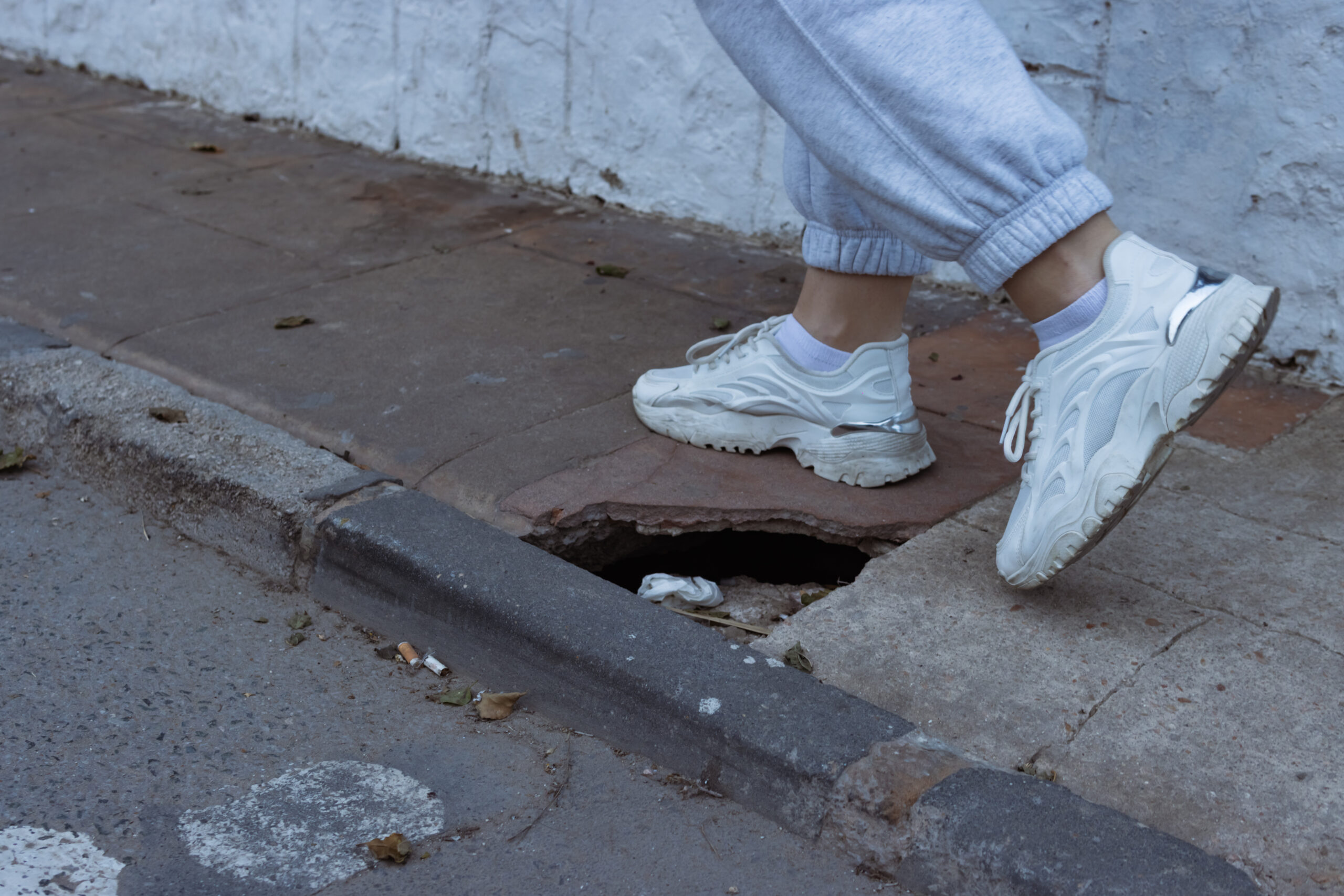
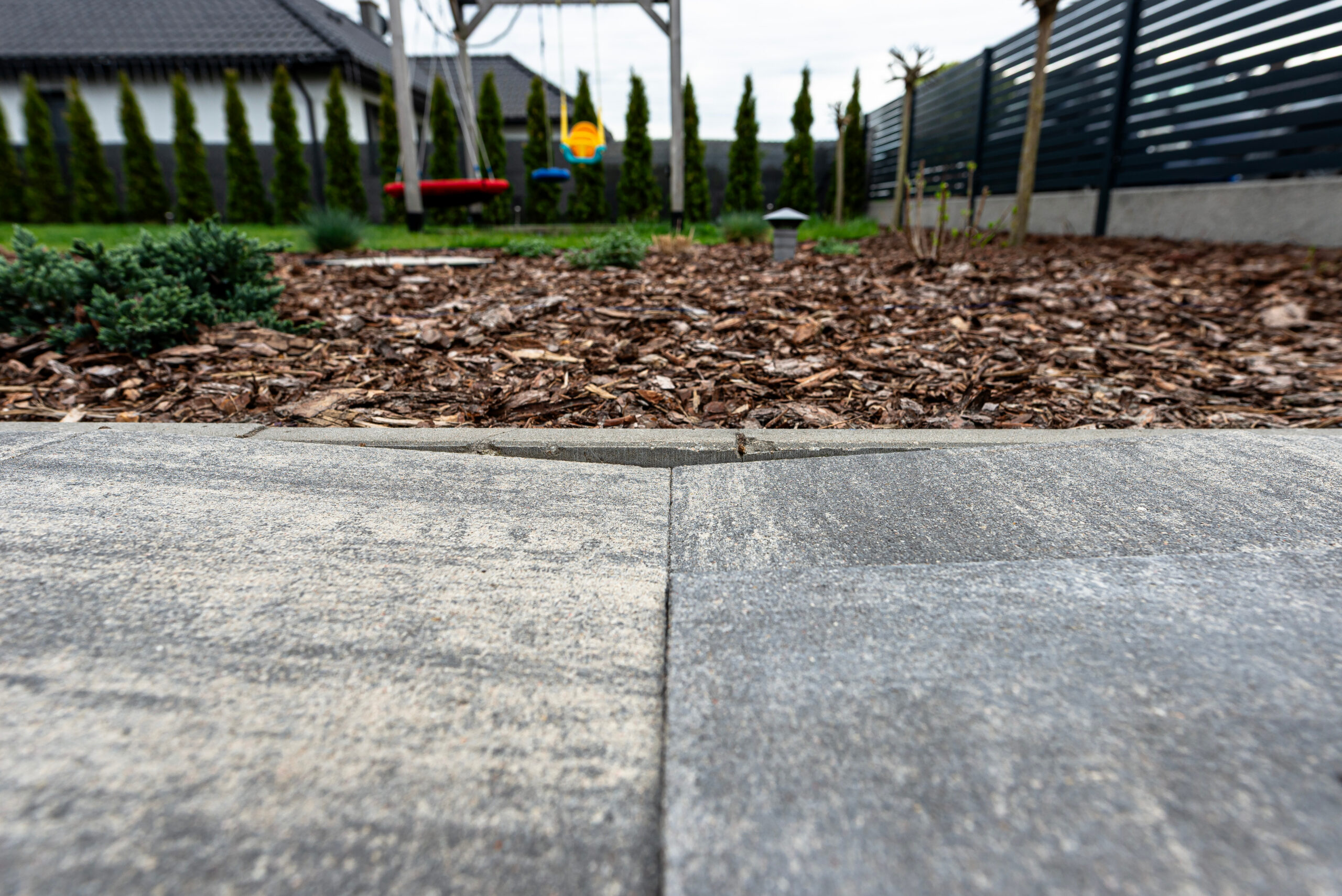
The most visible sign of driveway settlement is a height difference between adjacent panels, which creates a lip or step at the joint between sections. A lip of even half an inch is enough to create a trip hazard and to indicate that settlement is underway. Panels that have tilted away from their original horizontal position, creating a slope that directs water toward the garage or toward the house foundation, are another clear indicator. And standing water on the driveway surface after rain, which indicates that the surface has settled unevenly enough to create low spots that collect water rather than shedding it, is a sign that leveling is overdue.
Inside the garage, a gap between the bottom of the garage door and the driveway surface that was not there when the door was installed often indicates that the driveway slab in front of the garage has settled relative to the garage floor. This gap allows water, cold air, and pests into the garage and signals that the settlement has progressed to the point where it is affecting adjacent structures and systems. Signs your concrete needs lifting before it gets worse covers the full range of warning signs that indicate concrete leveling is needed before the problem progresses to the point where replacement becomes the only option.
How Polyurethane Concrete Lifting Fixes a Sunken Driveway
Polyurethane concrete lifting addresses driveway settlement by injecting expanding polyurethane foam beneath the settled slab to fill voids, stabilize the supporting soil, and lift the concrete back to its original position. The process is direct, efficient, and produces results in hours rather than the days or weeks that driveway replacement requires.
The process begins with drilling small injection ports through the settled slab at locations chosen to provide access to the void or low-density soil zone beneath it. These ports are typically dime-sized, which is small enough that they are nearly invisible after the job is complete. Through these ports, a two-component polyurethane foam is injected beneath the slab. The components react on contact and expand to fill the void beneath the concrete, and as the foam expands, it generates the upward pressure that lifts the slab.
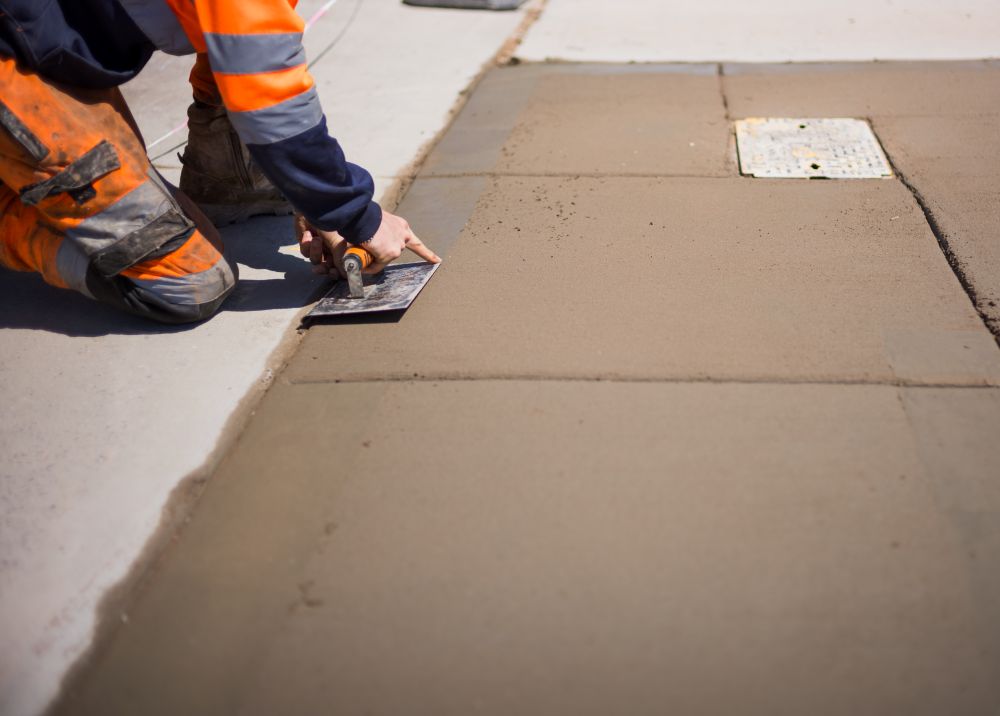
The technician monitors the lift in real time and controls the injection to achieve the target elevation accurately. Because polyurethane foam sets quickly, the lifting process is precise and controlled rather than gradual and unpredictable. Once the target elevation is reached, the injection ports are patched, the joints are cleaned up, and the driveway is ready for use, typically within an hour.
The polyurethane foam that remains beneath the slab after the job is complete is a stable, moisture-resistant material that does not compress, wash away, or degrade over time the way soil does. It provides lasting support for the lifted slab and resists the moisture and freeze-thaw cycling that caused the original settlement. Concrete lifting services at Solid Lifters detail the polyurethane lifting process and what homeowners can expect from a professional driveway leveling project.
Driveway Leveling vs Driveway Replacement: The Practical Comparison for Eastern Idaho Homeowners
For an Eastern Idaho homeowner facing a settled driveway, the comparison between leveling and replacement comes down to a few practical questions. Is the concrete itself structurally sound, or is the material compromised beyond saving? How much disruption is the homeowner willing to accept? And what does the cost comparison look like for the specific area involved?
When the driveway concrete is structurally intact and the problem is settlement rather than material failure, leveling is almost always the faster, less expensive, and less disruptive solution. Replacement requires breaking up and hauling away the existing concrete, preparing the base, forming and pouring new slabs, and waiting for cure time that puts the driveway out of commission for an extended period. For a family that depends on their driveway every day, that disruption is significant.
Leveling requires a single visit, leaves the existing concrete in place, and returns the driveway to service the same day. The cost difference is substantial in most cases. And because polyurethane lifting addresses the void and soil stabilization beneath the slab rather than just covering over the problem with new concrete, it deals with the root cause of the settlement rather than leaving the same conditions in place to affect the new slab. Driveway leveling services at Solid Lifters cover the driveway-specific lifting process and what the outcome looks like for Eastern Idaho driveways.
Preventing Future Settlement: What Homeowners Can Do
Driveway leveling fixes the settlement that has already occurred, but addressing the conditions that caused the settlement in the first place reduces the likelihood of future settlement in the same areas. The most impactful steps homeowners can take are related to drainage and moisture management.
Redirecting downspouts that currently discharge near the driveway to discharge further from the slab and away from the house foundation reduces the moisture loading on the soil beneath the driveway. Improving the grading around the driveway edges so that surface water flows away from the slab rather than toward it and beneath it addresses one of the most common contributors to recurrent settlement. And maintaining the caulked or sealed joints between driveway panels reduces the pathways through which surface water finds its way beneath the concrete.
These are not complicated or expensive interventions, but they make a real difference in how the soil beneath the driveway behaves through Eastern Idaho’s seasonal moisture cycles and freeze-thaw cycling.
Frequently Asked Questions About Driveway Leveling in Eastern Idaho
How much does driveway leveling cost compared to replacement in Eastern Idaho?
The cost of polyurethane concrete lifting varies based on the area being lifted and the extent of the void beneath the slab, but it is consistently less expensive than full driveway replacement for the same area. The exact cost difference depends on the specific project, and Solid Lifters provides honest estimates after assessing the driveway in person.
Can all types of driveway settlement be fixed with lifting?
Lifting is the right solution when the concrete itself is structurally sound and the problem is settlement of the slab relative to its original position. Settlement caused by voids, soil compaction, erosion, and freeze-thaw cycling in Eastern Idaho is typically well-suited to the polyurethane lifting process. Driveways where the concrete is severely cracked through its full thickness, crumbling, or structurally compromised may require replacement rather than lifting.
How long does a driveway leveling job take?
Most residential driveway leveling projects are completed in a single visit of a few hours. The driveway is typically ready for foot traffic within an hour of completion and ready for vehicle traffic the same day, which is a significant practical advantage over replacement.
Will the lifted driveway match the height of the garage floor?
Restoring the proper height relationship between the driveway slab and the garage floor is one of the goals of a driveway leveling project. The technician monitors the lift in real time to achieve the target elevation that restores the correct relationship between the driveway and the garage floor and between adjacent driveway panels.
Is there a best time of year to have a driveway leveled in Eastern Idaho?
Polyurethane concrete lifting can be performed across a range of temperatures, and Solid Lifters works through most of Eastern Idaho’s seasons. Spring and fall are popular times for driveway leveling because homeowners are assessing their property after winter and preparing for the season ahead, but the work is not strictly seasonal in the way that some outdoor projects are.
How do I get a driveway leveling assessment in Idaho Falls?
Contact Solid Lifters or call (208) 970-5585 to schedule an assessment of your driveway. The assessment identifies the extent of the settlement, the likely cause, and whether lifting is the right solution for your specific driveway.
Eastern Idaho Driveways Sink for Predictable Reasons, and There Is a Predictable Fix
The soil conditions, freeze-thaw cycling, and moisture patterns that cause driveway settlement in Eastern Idaho are not random. They are consistent, well-understood forces that affect driveways across the region in predictable ways. Polyurethane concrete lifting addresses the result of those forces directly, lifting settled slabs back to level and stabilizing the soil beneath them in a process that takes hours and returns the driveway to service the same day. If your Idaho Falls driveway has started showing the signs of settlement, the sooner you address it, the better the outcome. Explore Solid Lifters’ driveway leveling services or call (208) 970-5585 to schedule your assessment today.