Cracked, sunken, or uneven concrete has a way of making homeowners feel like they are staring down an expensive problem with no good options. The assumption most people start with is that damaged concrete means replacement, and replacement means tearing everything out, pouring new slabs, waiting for cure time, and writing a check that hurts. What a lot of Idaho homeowners do not realize until they actually talk to a concrete professional is that replacement is often not the right answer, and that concrete lifting is faster, less expensive, and less disruptive than replacement in more situations than most people expect. At Solid Lifters, we work with homeowners across Idaho Falls and Eastern Idaho every day who come to us assuming they need to replace their concrete and leave the conversation with a lifting solution that costs a fraction of what they expected to spend. This guide gives you an honest comparison so you can make the right call for your specific situation.
The Core Question: What Is Actually Wrong With the Concrete?
Before comparing lifting and replacement, it helps to understand what each solution actually addresses, because the right choice depends entirely on what is causing the problem rather than what the problem looks like on the surface.
Concrete lifting, also called concrete leveling, addresses settlement. When the soil beneath a concrete slab shifts, compresses, erodes, or loses density, the slab loses support and sinks unevenly. The concrete itself may be structurally sound. The problem is what is happening underneath it. Polyurethane concrete lifting injects expanding foam beneath the slab to fill voids, stabilize the soil, and lift the slab back to its original position. The fix addresses the root cause rather than just the surface symptom.
Concrete replacement addresses the slab itself. When the concrete is structurally compromised, meaning it is cracked through its full thickness, crumbling, spalling severely, or damaged beyond the point where the material itself can be trusted to perform its function, replacement is the appropriate solution. You are removing material that cannot be saved and installing new material that can.
The distinction matters because a slab that looks bad may be structurally fine, and a slab that looks relatively intact may be sitting over a void that makes it a safety hazard. What causes concrete to sink around your home explains the soil and environmental factors behind concrete settlement that help clarify why the problem is often beneath the surface rather than within the slab itself.
When Concrete Lifting Is the Better Choice
Concrete lifting is the right solution when the slab has settled, but the concrete material itself is still in serviceable condition. In these situations, replacing the slab solves the wrong problem at a significantly higher cost, longer timeline, and greater disruption than lifting requires.
The Slab Has Sunk But Is Not Structurally Compromised
A driveway panel that has dropped two inches relative to its neighbor, a sidewalk section that has tilted away from the house, or a patio slab that is sloping toward the back door is a classic settlement scenario where the concrete is doing its job but the ground beneath it has shifted. If the slab itself is intact, meaning it is not crumbling, not cracked through its full depth, and not showing signs of internal structural failure, lifting is almost always the right call.
Polyurethane foam injection lifts the slab back to level by filling the voids beneath it and stabilizing the supporting soil. The process takes hours rather than days, leaves no cure time that puts the surface out of commission for weeks, and costs significantly less than removal and replacement of the same area. How polyurethane concrete lifting works walks through the process in detail so you understand exactly what is happening beneath your slab during a lifting job.
The Settlement Is Creating a Safety Hazard
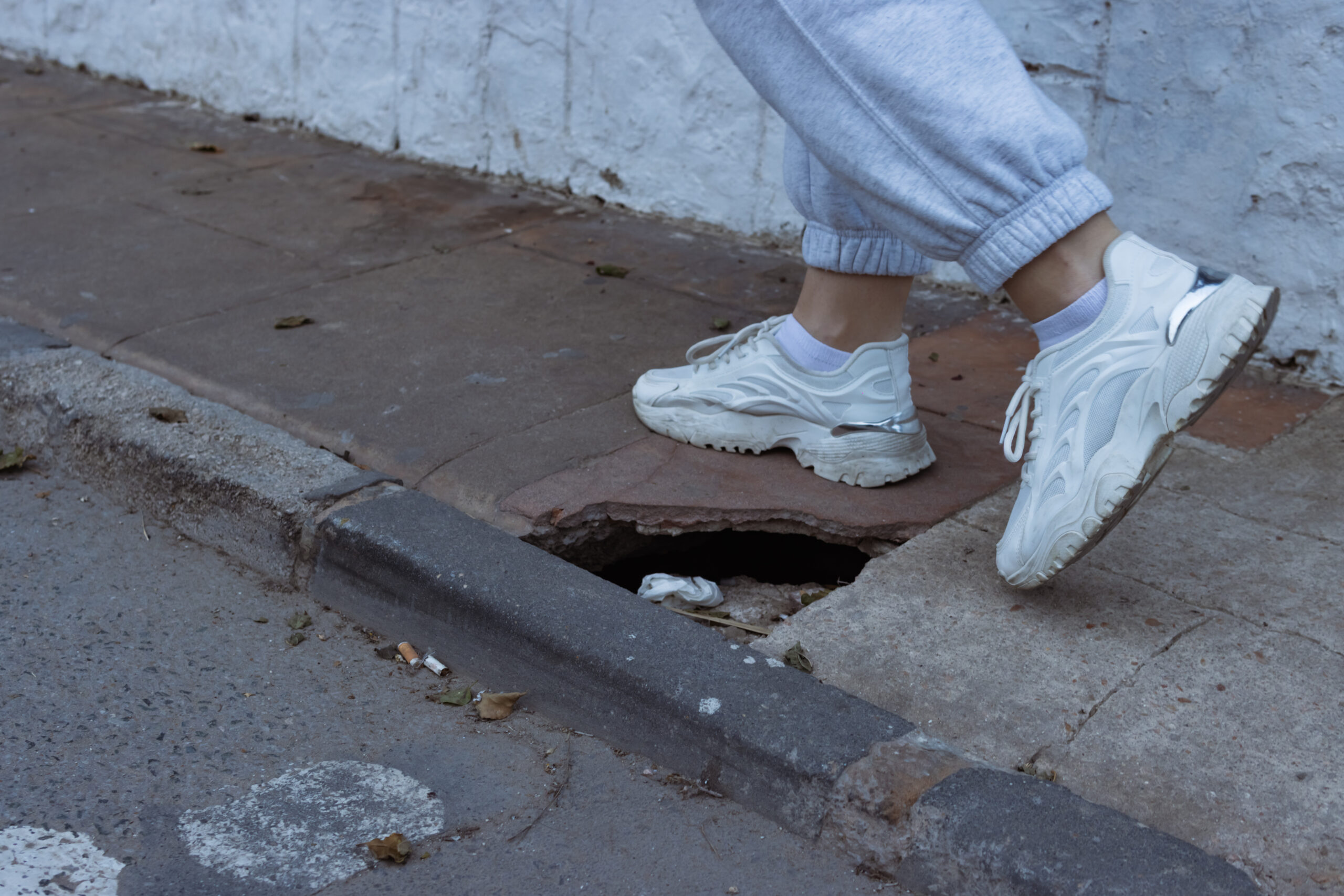
Uneven concrete is one of the most common causes of trip and fall injuries on residential properties, and the liability and safety implications of leaving a settled slab unaddressed are real. A sidewalk panel that has risen or dropped relative to its neighbor creates a lip that catches toes. A driveway that has settled unevenly creates ankle-twisting transitions. A patio that has tilted toward the house directs water toward the foundation.
When settlement has created a safety hazard but the concrete itself is sound, lifting addresses the hazard faster and at lower cost than replacement. Is uneven concrete a safety hazard and what homeowners should know covers the specific safety risks that uneven concrete creates and why addressing them promptly matters for both safety and liability.
You Want to Minimize Disruption
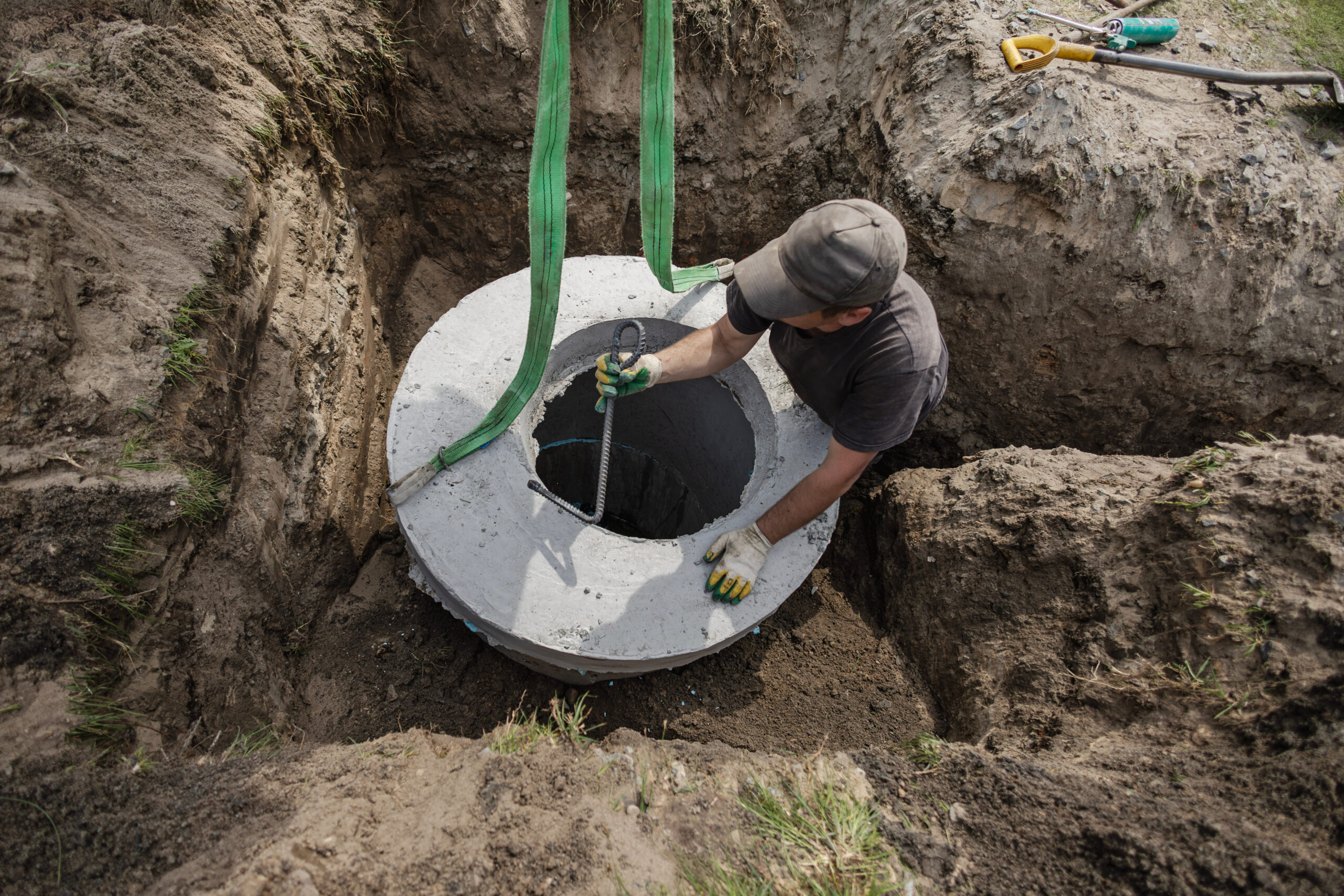
Concrete replacement is a significant construction project. It involves breaking up and hauling away the existing concrete, preparing the base, forming and pouring new concrete, and waiting for the new slab to cure before the surface can be used. Depending on the area involved, that process can take multiple days of active work and several weeks before the new concrete is at full strength.
Concrete lifting is a same-day process in most residential applications. The injection ports are small, the foam sets quickly, and the surface is typically ready for use within an hour of completion. For a driveway that the family depends on every day, a sidewalk that needs to be accessible, or a patio that is in use through the season, the disruption difference between lifting and replacement is substantial.
When Replacement Is the Right Answer
Concrete lifting is not the right solution for every situation, and an honest comparison has to acknowledge that clearly. There are scenarios where replacement is the appropriate answer, and trying to lift concrete that should be replaced produces poor results and wastes the investment.
The Concrete Is Structurally Compromised
If the concrete slab is cracked through its full thickness in multiple locations, is crumbling at the edges and surface, is spalling severely across a significant portion of the area, or is showing signs of rebar corrosion that is causing internal expansion and cracking, the material itself is no longer serviceable. Lifting structurally compromised concrete stabilizes it temporarily at best and does not address the underlying material failure.
In these situations, replacement is the right answer because you need new material, not just a repositioned version of material that cannot perform its structural function. A good concrete professional will tell you this honestly rather than lifting concrete that should be replaced, because a lifting job on compromised concrete will not produce lasting results and will ultimately cost the homeowner more.
The Concrete Has Significant Surface Damage
Severe surface scaling, deep pitting, extensive spalling, or surface damage that affects the appearance and functionality of the concrete in ways that lifting cannot address are reasons to consider replacement. Lifting addresses the position of the slab, not the condition of its surface. A slab that is in the right position but has a severely degraded surface still has a severely degraded surface after lifting.
For cosmetic surface damage that does not affect structural integrity, there are sometimes overlay and resurfacing options that address the appearance without full replacement. But when the surface damage is severe enough that the concrete needs to come out regardless of its position, replacement is the answer.
The Slab Cannot Be Lifted to an Acceptable Position
In some situations, the geometry of the settlement, the condition of adjacent slabs, or the extent of the void beneath the slab makes it impossible to achieve an acceptable result through lifting. A concrete professional who assesses the situation honestly will identify these cases and recommend replacement when lifting cannot deliver the outcome the homeowner needs.
Comparing the Numbers: What the Cost Difference Actually Looks Like
The cost difference between concrete lifting and replacement is significant enough that it deserves direct attention. While specific costs vary by project size, access conditions, and material prices, concrete lifting typically costs substantially less than full replacement for the same area.
Replacement involves labor for demolition and hauling, base preparation, forming, concrete material, finishing, and cure time management. Lifting involves equipment, polyurethane material, and technician time for a process that is complete in a single visit. For a typical driveway panel, sidewalk section, or patio area, the cost difference is often meaningful enough to make lifting the clear economic choice when the concrete itself is sound.
Concrete lifting versus replacement and what Idaho homeowners need to know addresses the cost comparison in more detail for the specific scenarios that Idaho Falls homeowners encounter most frequently.
Applying the Framework: Driveways, Sidewalks, Patios, and Garage Floors
The lifting versus replacement decision plays out slightly differently depending on which surface you are dealing with, because each surface type has different use requirements, different exposure conditions, and a different tolerance for imperfection.
Driveways
Driveways in Eastern Idaho are subject to the full force of freeze-thaw cycling, vehicle loads, and drainage patterns that make them one of the most common surfaces that benefit from concrete lifting. A driveway panel that has settled due to soil movement beneath it is a strong lifting candidate if the concrete itself is intact. Driveway leveling services at Solid Lifters cover what the lifting process looks like specifically for driveway applications.
Sidewalks and Walkways
Sidewalk settlement is both a safety hazard and a liability concern, and it is one of the most straightforward applications for concrete lifting because sidewalk panels that have settled are typically structurally sound and respond well to the lifting process. Sidewalk and walkway leveling at Solid Lifters addresses the specific considerations for sidewalk lifting projects.
Patios
Patio slabs that have settled toward the house, away from the house, or unevenly across the patio surface are common lifting candidates, particularly in areas like Eastern Idaho, where freeze-thaw cycling affects the soil beneath outdoor slabs every winter. Patio leveling services at Solid Lifters cover the patio-specific lifting process and what to expect from a patio leveling project.
Garage Floors
Garage floor settlement and void formation beneath garage slabs is a specific concern because the void itself, rather than just the settlement, creates a structural risk for the slab and for the vehicles and equipment stored on it. Garage and basement floor leveling at Solid Lifters addresses the garage floor lifting and void filling process and why addressing settlement in enclosed floor applications matters for long-term structural performance.
Frequently Asked Questions About Concrete Lifting vs Replacement
How do I know if my concrete is a good candidate for lifting?
The primary indicators of a good lifting candidate are settlement without structural compromise. If the slab has sunk or tilted but is not cracked through its full thickness, crumbling, or showing signs of internal material failure, it is likely a strong lifting candidate. A professional assessment from Solid Lifters confirms whether your specific slab meets the criteria for a successful lifting outcome.
How long does polyurethane concrete lifting last?
Polyurethane foam is a stable, moisture-resistant material that does not compress or wash away over time the way soil does. A properly executed lifting job addresses both the void beneath the slab and the settlement itself, and the results are durable under normal conditions. How long polyurethane concrete lifting lasts addresses the longevity question in detail.
Can lifting fix concrete that has cracked?
It depends on the nature and extent of the cracking. Hairline surface cracks and minor cracking that does not affect structural integrity do not disqualify a slab from lifting. Cracking that goes through the full thickness of the slab in multiple locations, or cracking that indicates internal structural failure, is a different situation that warrants honest assessment before proceeding with lifting.
Is concrete lifting a permanent fix?
Polyurethane concrete lifting addresses the void beneath the slab and stabilizes the supporting soil, which produces lasting results under normal conditions. If the underlying cause of settlement, such as ongoing soil erosion or a drainage problem that continues to wash away supporting material, is not addressed alongside the lifting, future settlement is possible. A good lifting contractor identifies and discusses these factors during the assessment.
How quickly can I use my concrete after lifting?
In most residential applications, the lifted surface is ready for foot traffic within an hour of completion and ready for vehicle traffic the same day. This is one of the significant practical advantages of lifting over replacement, which requires waiting for new concrete to cure before the surface can bear load.
How do I get a professional assessment for my concrete?
Contact Solid Lifters or call (208) 970-5585 to schedule an assessment for your driveway, sidewalk, patio, or garage floor. The assessment identifies whether lifting is the right solution for your specific situation and produces an honest recommendation.
The Right Answer Is the One That Actually Fixes Your Problem
Concrete lifting is better than replacement when the slab has settled but the concrete itself is sound, when you need a faster and less disruptive solution, and when you want to address the root cause of settlement rather than starting over with new concrete that faces the same soil conditions. Replacement is the right answer when the concrete itself is structurally compromised and cannot be saved. Knowing which situation you are in is the starting point for making a decision you will not regret. Explore Solid Lifters’ concrete lifting services or call (208) 970-5585 to talk through your specific situation with a team that will give you an honest answer.