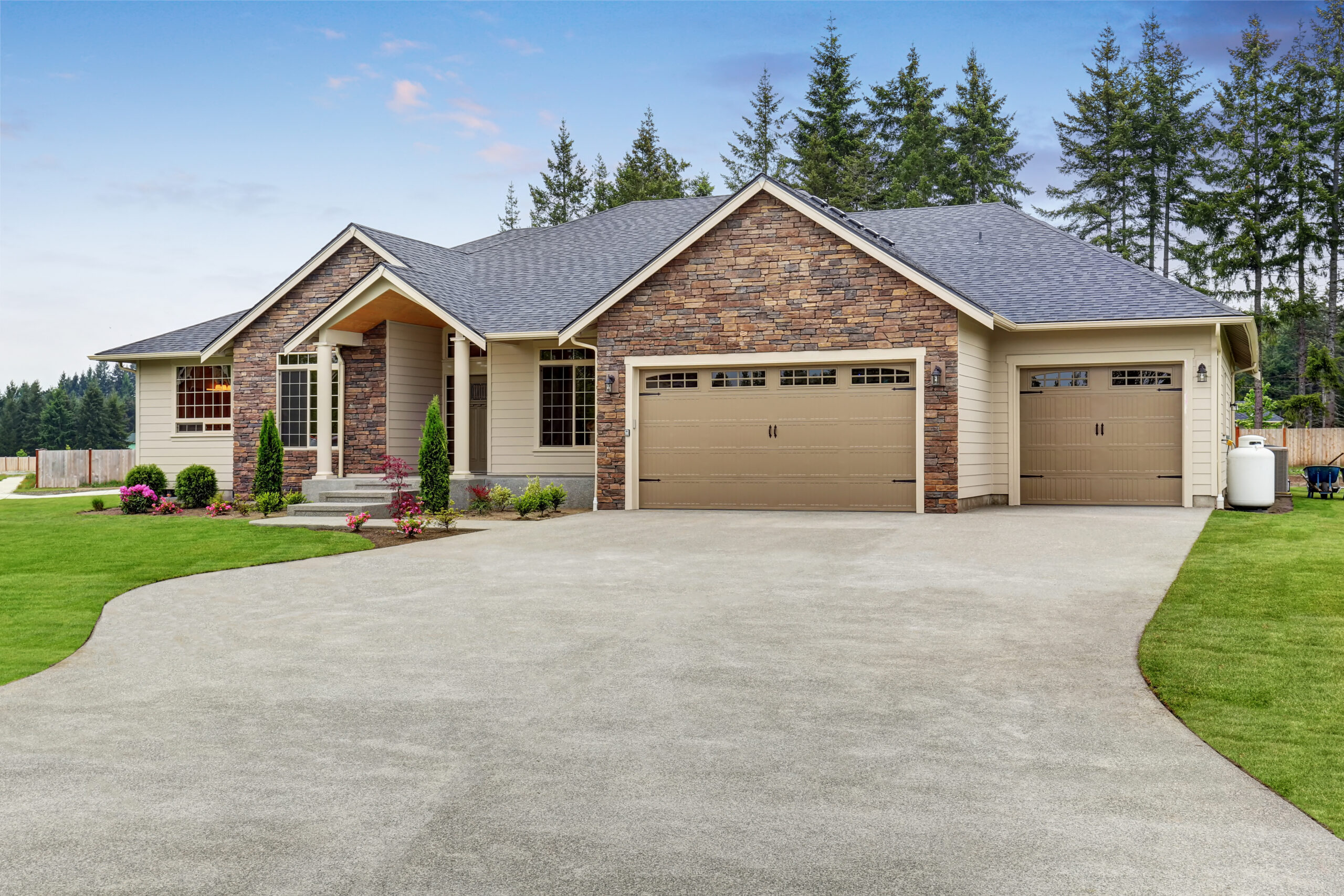
Widening a driveway is a common project: room for a third car, a spot for the trailer, or just an easier turn into the garage. What catches people off guard is what happens at the joint when new concrete goes in next to a slab that has already settled. The new pour gets set to the height of the old one, the old one keeps its dips and tilts, and the whole driveway ends up out of line. At Solid Lifters, we lift and level driveways across Eastern Idaho, and when a homeowner mentions an extension, our advice is simple: lift the old slab first.
This guide covers why that order matters, how it keeps the new joint flush, and how to coordinate the work with your concrete contractor.
Why the Order of Work Matters
A concrete contractor pouring an extension sets the forms so the new slab meets the existing driveway at the joint. If the existing slab has settled, the contractor has two choices, and neither is good:
- Match the settled height. The new concrete copies the old slab’s dips and tilts along the joint. You end up with a wider driveway that has the same low spots and drainage problems, now built into the new section too.
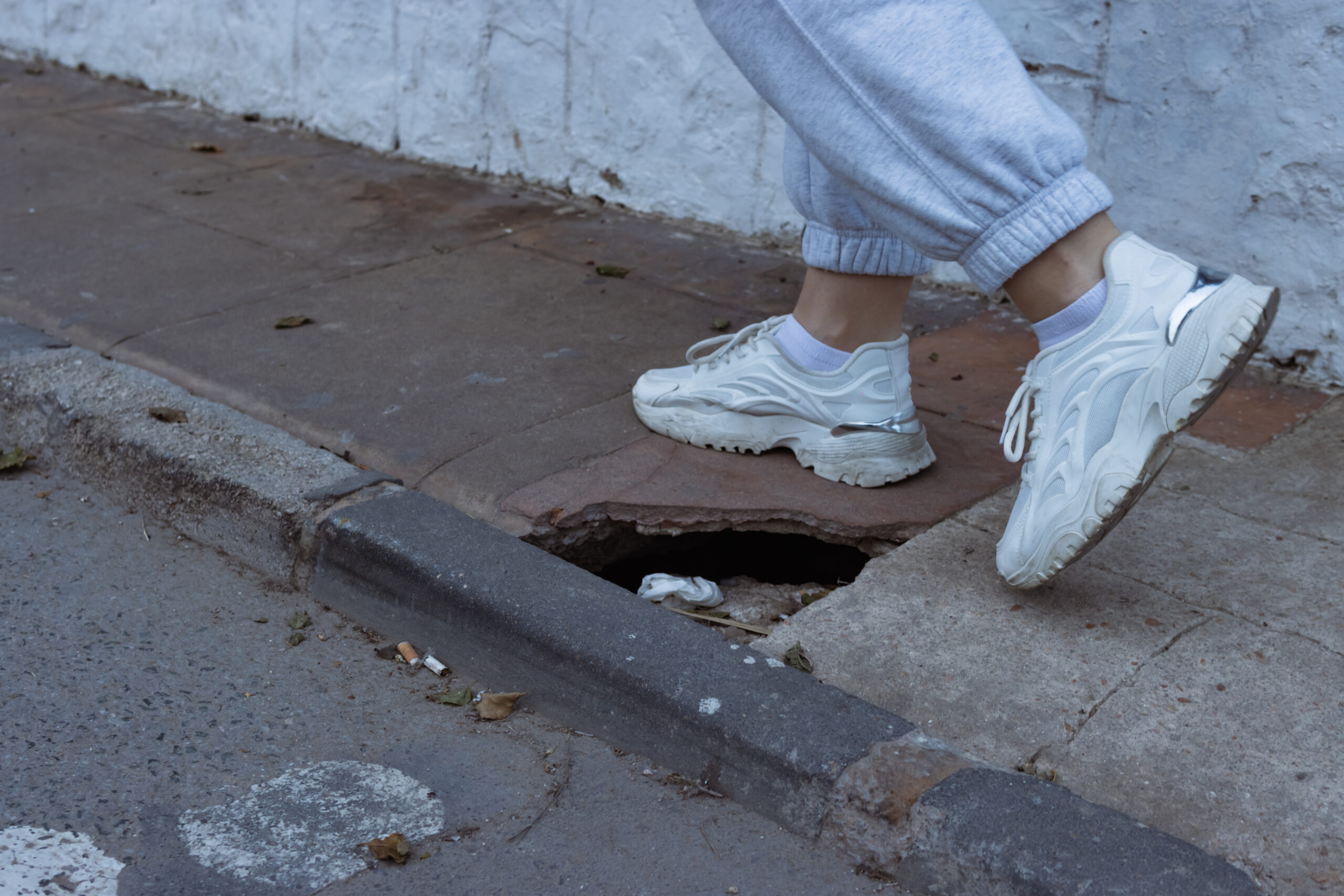
- Pour to the correct height. The new slab is right, but the old slab sits lower next to it. That leaves a lip along the joint that catches tires, shovels and snowblowers.
Lifting the old slab first removes the problem. The contractor forms the extension against a driveway that’s already at the right height and slope.
Why Lifting Afterward Is Harder
It’s tempting to pour the extension now and deal with the old slab later. There are good reasons not to.
The Slabs May Be Tied Together
Some contractors drill into the existing slab and set steel dowels or rebar so the new section is tied to the old one. Once that’s done, the old slab can’t be raised on its own without stressing the connection or cracking the new concrete.
The Joint Gets Locked In
Even without dowels, the joint between old and new concrete is set at the height of the old slab on the day of the pour. Raising the old slab afterward opens a new offset along that joint.
Drainage Gets Designed Around the Wrong Grade
A new extension is sloped to drain. If that slope is set off a settled slab, water can end up running toward the garage or pooling at the joint.
How to Sequence the Project
- Have the existing driveway inspected. Find out which sections have settled, how much, and whether they’re good candidates for lifting.
- Decide lift or replace for the old slab. If the existing concrete is badly broken or at the end of its life, replacing it as part of the project may make more sense. Our article on when concrete lifting is better than replacement walks through that decision.
- Lift the existing slab. The settled sections are raised back to level and proper slope, and the space underneath is filled.
- Give your concrete contractor the finished height. Once the lift is done, the contractor can set forms against a driveway that’s where it should be.
- Pour the extension. The new slab meets the old one flush, with a proper joint between them.
Coordinating With Your Concrete Contractor
- Tell them about the lift early. They’ll want to know the old slab is being raised before they bid and plan the forms.
- Ask how they’ll join old to new. Whether they dowel into the existing slab or use an isolation joint, it should happen after the lift, not before.
- Talk about drainage. The extension should slope with the lifted driveway, away from the garage and house.
- Leave a little time between. Polyurethane foam sets quickly, so the lifted slab can be used within hours. Your contractor can schedule the forms and pour on their normal timeline after that.
What About Matching the Color?
New concrete almost never matches old concrete right away. It’s usually lighter and will weather over time. Lifting the old slab doesn’t change that, but it does keep the old concrete in place instead of adding more new concrete to the mix. For more on how that affects looks and value, see our article on how concrete lifting affects curb appeal and resale value.
Why Did the Old Slab Settle?
It’s worth knowing before you add more concrete. Many of the same conditions can affect the new section. Our article on why driveways sink in Eastern Idaho covers the common causes, and sharing that with your contractor can help them prepare the base for the extension.
Frequently Asked Questions
Can new concrete be poured next to a settled driveway?
It can, but the new slab will either copy the old slab’s dips or leave a lip along the joint. Lifting the old slab first avoids both.
Can I lift my driveway after the extension is poured?
Sometimes, but it’s harder. If the new concrete is doweled into the old slab, lifting the old slab can stress or crack the connection. Lifting first is the cleaner approach.
How soon after lifting can the extension be poured?
The lifted slab is ready for use within hours, so the extension can follow on your concrete contractor’s normal schedule.
Plan Your Extension the Right Way
If you’re widening your driveway and the existing slab has settled, start with a lift so the new concrete has something level to meet. Learn about our driveway leveling services, then contact Solid Lifters for a free inspection and bid.