Your Driveway Is Talking — And It’s Saying the Wrong Things
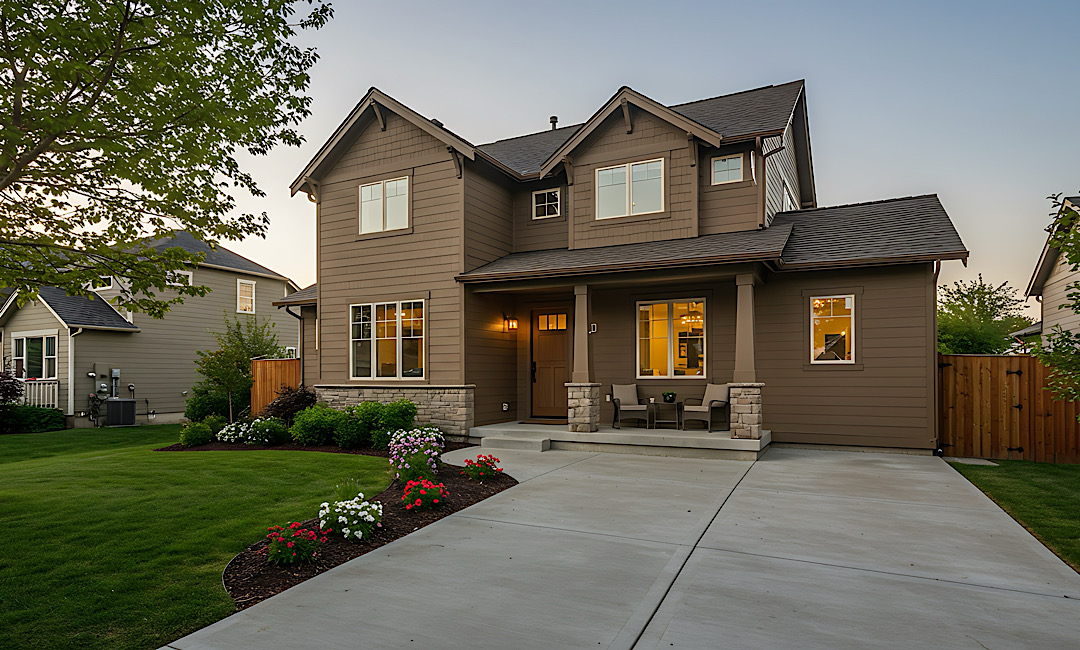
Before a buyer ever steps through your front door, they’ve already formed an opinion. It happens in the first 7 seconds, according to real estate research, and it happens from the street. That cracked, tilted slab near your front walk? The sunken section of driveway where water pools after every rain? Those aren’t just cosmetic nuisances. They’re signals — and not good ones.
Buyers read a deteriorating exterior as a warning sign about how the rest of the home has been maintained. Fair or not, that’s the psychology at work. And it costs sellers.
The Real Cost of Ignoring Sunken Concrete
Here’s the thing most homeowners don’t fully appreciate: you don’t have to replace concrete to fix the problem. Full slab replacement on a standard driveway can run anywhere from $4,000 to $12,000 depending on size and materials. Concrete lifting — also called mudjacking or polyurethane foam lifting — typically runs 25% to 50% of that cost for the same visual and functional result.
I’ve seen sellers spend $8,000 ripping out a perfectly salvageable driveway because nobody told them lifting was an option. That’s a painful and completely avoidable expense.
The sunken concrete itself, left untreated, creates a different kind of financial hit. Buyers will use it as negotiating leverage. A $500 lifting job can suddenly become a $3,000 credit request during negotiations because buyers always overestimate repair costs — and their agents often encourage that.
What Concrete Lifting Actually Does to First Impressions
A level, well-maintained driveway, walkway, and patio communicate something specific: this homeowner pays attention. That message ripples through the entire showing experience. People feel more confident. They lower their guard. They start imagining themselves living there instead of cataloging everything that’s wrong.
It sounds dramatic, but the research backs it up. The National Association of Realtors has consistently found that exterior improvements deliver some of the highest returns on investment of any home upgrade — often 100% or better in strong markets. A professionally leveled concrete surface falls squarely into that category.
The Spots That Matter Most
Not all concrete is equal in the eyes of a potential buyer. Priority areas that directly affect curb appeal and perceived property condition include:
- The front walkway — this is the literal path buyers take to your door
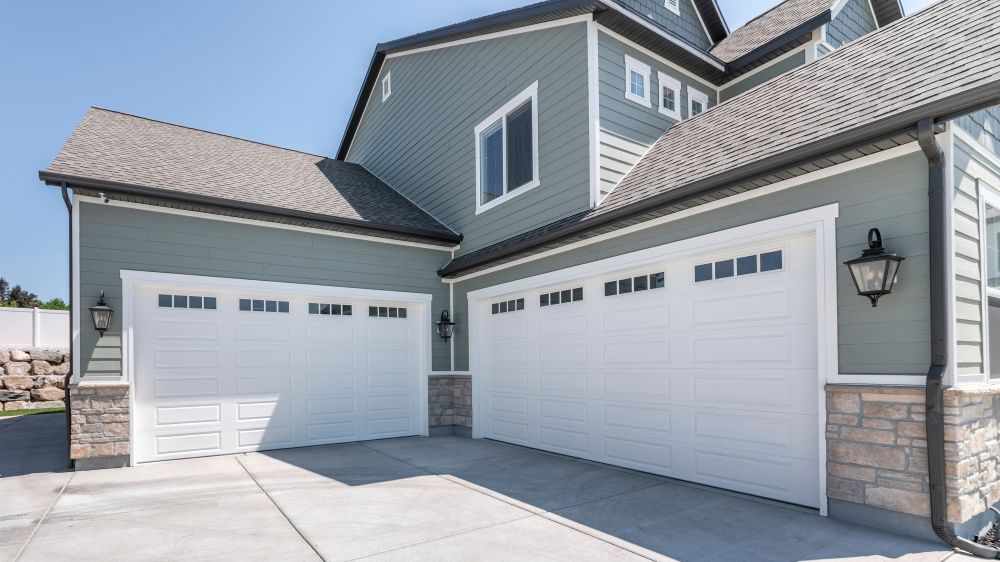
- The driveway, especially near the garage and the street edge
- Patio slabs visible from the backyard or side yard during showings
- Garage floor sections near the entry, which buyers always inspect
- Basement floor areas if the home has a finished lower level
A sunken front walkway is arguably the single most damaging concrete issue for curb appeal. It’s unavoidable. Every visitor, every delivery, every potential buyer walks right over it.
Safety Liability Is a Bigger Deal Than People Admit
Uneven concrete isn’t just ugly — it’s a trip hazard. And in a home sale context, that matters more than sellers usually realize. Home inspectors flag uneven walkways and driveways. Those flags show up in the inspection report. And inspection reports become negotiating documents.
Beyond the transaction itself, there’s real liability exposure while the home is listed and being shown. A visitor trips on your sunken front step, and suddenly you’re dealing with something far more serious than a price negotiation.
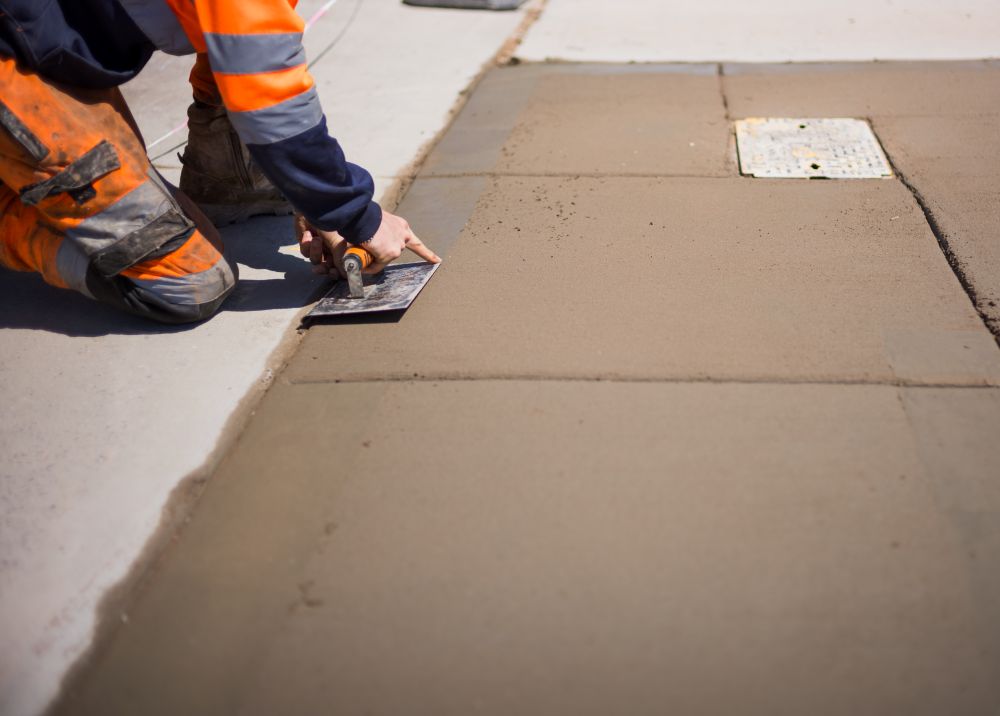
Concrete lifting eliminates that hazard. The process works by injecting material beneath the sunken slab — either a cement slurry or an expanding polyurethane foam — that fills voids and raises the concrete back to its original grade. Most jobs are done in a few hours. You can walk on the surface the same day.
Why Lifting Beats Replacement for Resale Purposes
Hot take: full concrete replacement is almost never the right move before listing a home. Almost never.
Here’s the math. New concrete looks great for about two weeks before it starts to show environmental wear, tire marks, and normal aging. By the time closing happens, that $10,000 new driveway looks like a $10,000 new driveway that’s been driven on. Buyers don’t pay a premium for new concrete — they just don’t penalize you for it as much as they penalize you for sunken, cracked concrete.
Lifting restores function and appearance. It levels the surface, closes the visual gap between sections, and removes the trip hazard. For resale purposes, that’s everything you actually need. The money you save goes directly toward your net proceeds.
The Timeline Advantage
Concrete replacement takes days — sometimes a week or more when you factor in demolition, forming, pouring, and curing time. A professional lifting job on a standard residential driveway or walkway is typically done in a single morning. If you’re prepping a home for a listing that’s going live in two weeks, that timeline difference is significant.
What Buyers and Agents Are Actually Thinking
Real estate agents see the same properties buyers do, and they know what causes deals to fall apart or prices to soften. Uneven concrete — especially near the home’s entrance — consistently comes up in presale consultations as a fix-it-before-you-list item.
But agents also know buyers tend to catastrophize. A buyer who notices a sunken patio section isn’t just thinking about that slab. They’re wondering what else has been neglected. Is the roof okay? What about the foundation? That psychological cascade from one visible problem is something sellers can stop before it starts.
Proactively lifting and leveling your concrete surfaces before listing sends the opposite signal. It says the home has been looked after. That’s worth more than the lifting job itself.
The Foundation Question You Should Ask Before Listing
One thing worth noting before you move forward: sunken concrete can sometimes indicate a soil or drainage issue beneath the slab. A reputable concrete lifting company will identify that before starting work. If the underlying cause isn’t addressed, any lifting is a temporary fix.
Most of the time, settlement is just settlement — soil compaction over years, water erosion, or normal freeze-thaw cycling in colder climates. But the smart move before listing is to have a professional assess the cause, not just treat the symptom. Buyers will ask questions during inspection, and having documentation that the issue was properly evaluated and corrected protects you in that conversation.
At Solid Lifters, that evaluation is part of the process. The goal isn’t to sell you a lift job — it’s to make sure the lift actually solves the problem so you’re not dealing with this again six months after closing.
If your home has sunken concrete anywhere that buyers will see, feel, or walk across, fixing it before you list isn’t optional. It’s just basic preparation — and one of the few presale investments that consistently pays for itself.