First Impressions Are Made Before Anyone Reaches Your Front Door
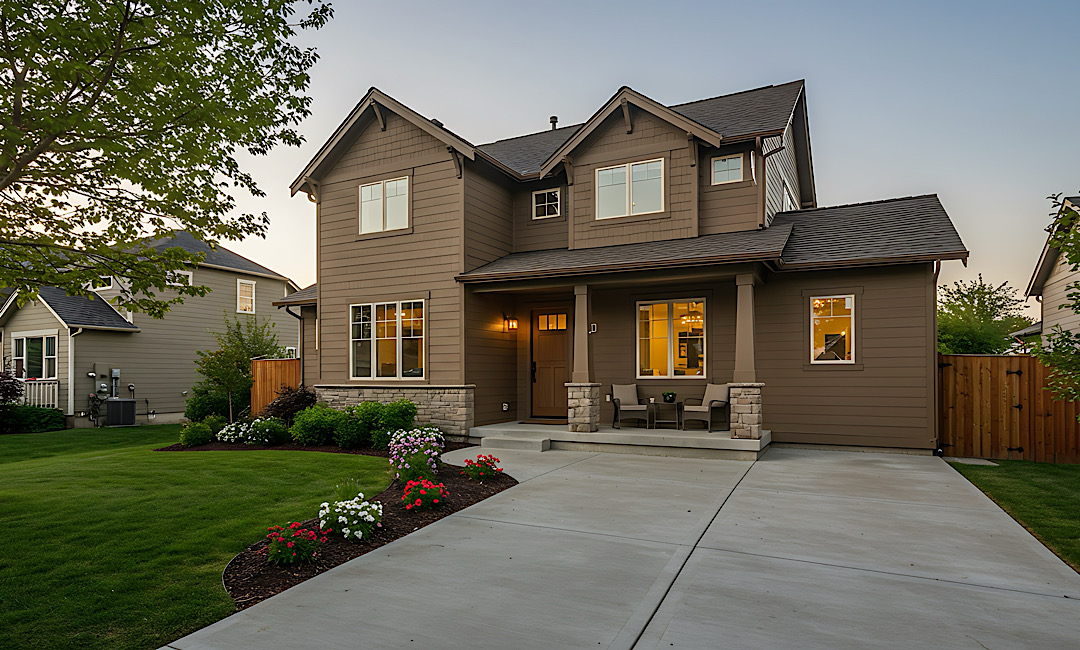
A buyer pulls up to your house. Before they’ve seen the kitchen or the master bath or the finished basement, they’ve already formed an opinion. And if your driveway is cracked, your walkway is heaving, or your front stoop has sunk a couple of inches to one side — that opinion isn’t great.
Curb appeal isn’t just a real estate buzzword. It directly affects what buyers are willing to pay, and sometimes whether they’ll even bother getting out of the car.
The Dirty Secret Most Sellers Miss
Here’s the thing most homeowners don’t realize: sunken or uneven concrete signals neglect. It doesn’t matter if your interior is immaculate. A buyer walking up a cracked, uneven front walkway is already doing mental math — wondering what else has been ignored, what other repairs are lurking.
I’ve seen homes lose $10,000 to $20,000 in negotiated value because buyers used visible exterior damage as leverage. And a lot of that damage? Totally fixable for a fraction of that cost.
Concrete lifting — sometimes called slabjacking or mudjacking — can raise and stabilize sunken slabs for anywhere between $500 and $2,500 depending on the scope of the job. Compared to full concrete replacement, which can run $6,000 to $12,000 or more for a driveway alone, it’s not even close.
What “Lifted” Concrete Actually Does to Your Property’s Look
The transformation can be genuinely dramatic. A driveway that had a 3-inch drop near the garage apron, once leveled, looks almost new. The lines become clean. Water drains the way it’s supposed to instead of pooling in low spots. And that subtle but persistent signal of “something’s wrong here” simply disappears.
Patios are another big one. An uneven patio doesn’t just look bad — it makes outdoor furniture wobbly, creates tripping hazards, and turns what should be a selling feature into a liability. Level it out and suddenly you’ve got an attractive outdoor living space again, which buyers actually value heavily in the current market.
Specific Spots That Hurt You the Most
- The front walkway leading to your entry door — buyers walk this path every single time
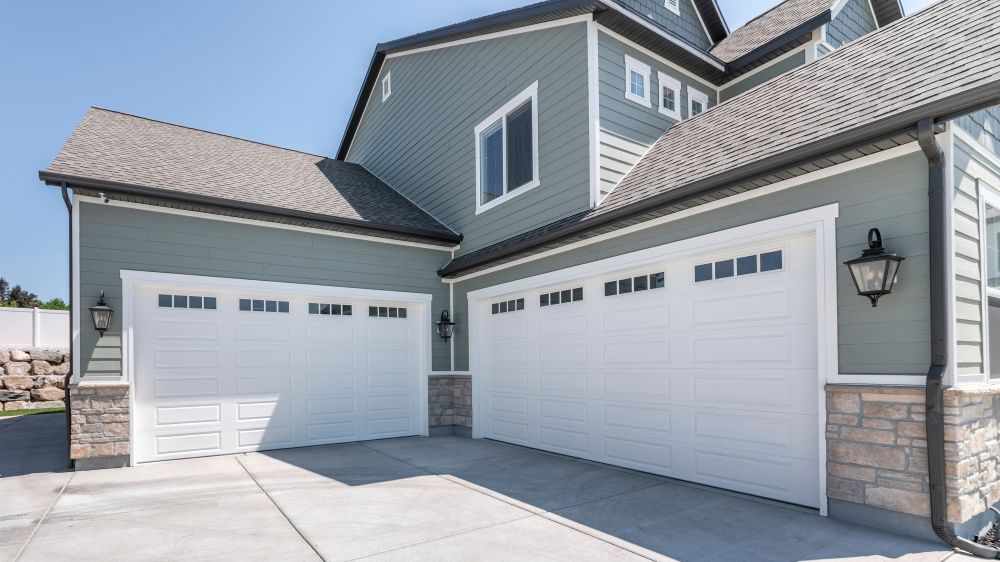
- The driveway apron where it meets the garage — one of the first things visible from the street
- Sidewalk sections near the street — municipalities can actually cite you for trip hazards here
- The patio or pool deck — outdoor living space is a genuine value-add when it looks good
- Garage floor slopes toward the foundation — triggers immediate concern about drainage and water intrusion
- Steps or stoops that have separated from the house
The Real Estate Angle Nobody Talks About Enough
Appraisers notice concrete conditions. Not every appraiser will specifically call out a sunken slab, but visible deferred maintenance — and that’s exactly what failing concrete looks like — can influence their assessment of overall property condition. And property condition affects value.
Hot take: sellers who spend $800 on concrete lifting before listing consistently get better returns than those who drop $3,000 on fresh landscaping. Plants die. A level driveway stays level.
There’s also the inspection angle. Home inspectors are required to flag trip hazards and drainage issues. Sunken concrete near your foundation? That’s a red flag that can trigger further scrutiny about water management and foundation integrity. Fix the concrete first, and you eliminate one more thing that gives a buyer cold feet.
Curb Appeal vs. Resale Value — They’re Not Exactly the Same Thing
Curb appeal is about emotion. Resale value is about numbers. Concrete lifting addresses both, which is rare for a home improvement project.
Most cosmetic upgrades — fresh paint, new light fixtures, updated landscaping — do wonders for that emotional first impression but contribute relatively little to appraised value. Concrete lifting actually sits in a different category. It corrects a structural and functional problem, which means it’s not just pretty — it’s substantive. Buyers and appraisers respond to that differently than they do to a coat of paint.
Safety Matters, and Buyers Know It
Uneven concrete is a genuine liability. A raised edge of just 1/2 inch is considered a trip hazard by most building codes. At 3/4 inch, you’re looking at something that genuinely catches feet — especially for older visitors or anyone not watching where they’re walking carefully.
Buyers with young kids or elderly parents are hyper-aware of this. They’re not just seeing an eyesore; they’re calculating risk. And risk makes people negotiate harder or walk away entirely.
Fixing it before you list removes that calculation from their heads.
Why Lifting Beats Replacement for Pre-Sale Projects
If you’re prepping a home for sale, full concrete replacement is almost never the right call. Here’s why: it takes longer, it costs dramatically more, and the return on investment is worse because buyers don’t pay a premium for brand-new concrete — they just stop penalizing you for bad concrete.
Lifting gets you to that neutral baseline faster and cheaper. A professional concrete lifting job on a typical residential driveway can often be completed in a few hours, with the surface ready to use the same day. No weeks of curing. No torn-up yard.
And the results, honestly, look better than most people expect going in.
Before You List, Walk Your Property Like a Buyer Would
Start at the street. Walk the path a buyer would walk. Look down at the concrete — not at your landscaping, not at your house, at the ground. Notice every lip, every crack, every area where one slab has dropped relative to another.
Then walk the driveway. Check the garage floor. Go around back to the patio. Make notes. You might be surprised how many small issues have accumulated over the years that you’ve simply stopped seeing because you walk past them every day.
Most of those issues are fixable. And fixing them before a buyer sees them is always going to be cheaper than fixing them after they’ve used those issues to negotiate your price down.
Solid Lifters specializes in exactly this kind of work — concrete lifting for driveways, walkways, patios, garage floors, and more. If you’re thinking about selling in the next 6 to 18 months, getting a concrete assessment now is one of the smartest first steps you can take.