Uneven concrete is often dismissed as a minor issue, something that can be fixed later or simply worked around. In reality, it can create serious safety risks for anyone walking on or around your property.
What starts as a small height difference or slight slope can quickly turn into a hazard that leads to trips, falls, and potential liability. Understanding these risks can help you take action before someone gets hurt.
Why Uneven Concrete Is a Problem
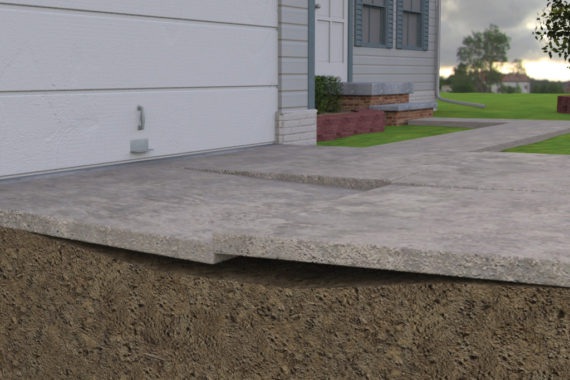
Concrete surfaces are meant to be flat and stable. When they shift or sink, they create unexpected changes in height that people are not prepared for.
This is especially dangerous in areas where people walk regularly, such as:
- Front walkways
- Driveways
- Side paths around the home
- Entryways and steps
Even a small difference in height can be enough to cause someone to lose their balance.
1. Trip and Fall Risks
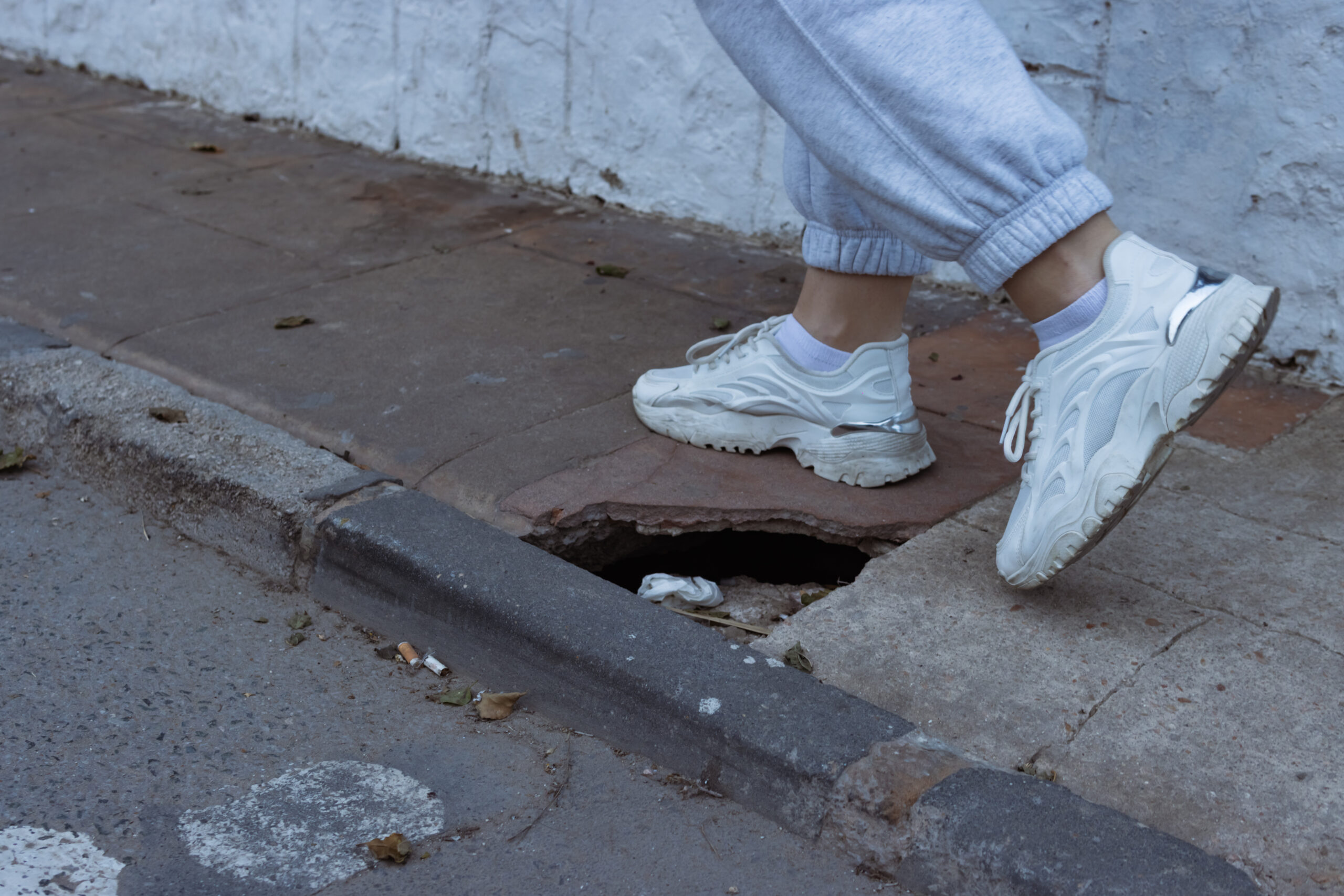
The most obvious danger is tripping. When one section of concrete sits higher or lower than another, it creates an edge that can catch a foot.
This is particularly risky for:
- Children who are running or playing
- Older adults who may have limited mobility
- Guests who are unfamiliar with your property
Falls can lead to injuries ranging from minor scrapes to more serious issues like sprains or fractures.
2. Poor Visibility of Hazards
Uneven areas are not always easy to see. Shadows, lighting conditions, and surface color can make height differences less noticeable.
This means:
- People may not recognize the hazard in time
- Accidents can happen even during normal use
- The risk increases at night or in low light conditions
A surface that looks safe at a glance may actually be dangerous.
3. Increased Risk in Wet or Icy Conditions
When concrete is uneven, water does not drain properly. This can lead to puddles forming in low areas.
In colder climates, this becomes even more dangerous:
- Water can freeze and create ice patches
- Sloped or uneven areas become slippery
- The chance of falling increases significantly
These conditions are common in places with seasonal weather changes, making the issue more serious.
4. Liability for Homeowners
Many homeowners do not realize that uneven concrete can create liability concerns. If someone is injured on your property due to a known hazard, you could be held responsible.
This applies to:
- Visitors and guests
- Delivery workers
- Service providers
Fixing uneven concrete is not just about appearance, it is also about reducing risk.
5. Damage to Vehicles and Equipment
Uneven concrete does not only affect people. It can also cause problems for vehicles and equipment.
Examples include:
- Cars scraping on uneven driveways
- Difficulty moving items like lawn equipment
- Wear and tear on tires and wheels
Over time, this can lead to additional costs and inconvenience.
6. The Problem Gets Worse Over Time
Uneven concrete rarely stays the same. As the soil beneath continues to shift or erode, the difference in height can increase.
This leads to:
- Larger gaps between slabs
- More noticeable slopes
- Greater safety risks
Addressing the issue early helps prevent it from becoming more severe.
How to Fix the Problem
The good news is that uneven concrete can often be repaired without replacing it. Concrete lifting is a fast and effective solution that restores a level surface.
This process:
- Raises sunken sections back into place
- Fills empty spaces beneath the slab
- Stabilizes the area to reduce future movement
Most repairs can be completed quickly, with minimal disruption to your property.
Final Thoughts
Uneven concrete is more than just a cosmetic concern. It creates real safety risks that can affect your family, your guests, and your property.
Taking care of the problem early helps protect everyone who uses your space and prevents more serious issues down the line.
If you notice uneven surfaces around your home, it is worth addressing them sooner rather than later.